Fun Casino Games and Why People Don’t Treat Them Like “Casino Games” Anymore
 Rebecca McCarthy
If you asked most people when they last played an online casino game, they probably wouldn’t describe it as a session. More likely it was something brief. A few minutes while waiting for something else. Late at night when scrolling got boring. During a break, not instead of one.
That’s the key shift. These games aren’t destinations anymore. They’re fillers. And that changes everything about how they’re designed and how people feel about them.
A lot of players don’t even think of what they’re doing as gambling. To them, it feels closer to opening a casual game or tapping through something visual and noisy for a bit. The intention isn’t strong. There’s no “let’s sit down and focus” mindset. It’s closer to curiosity than commitment.
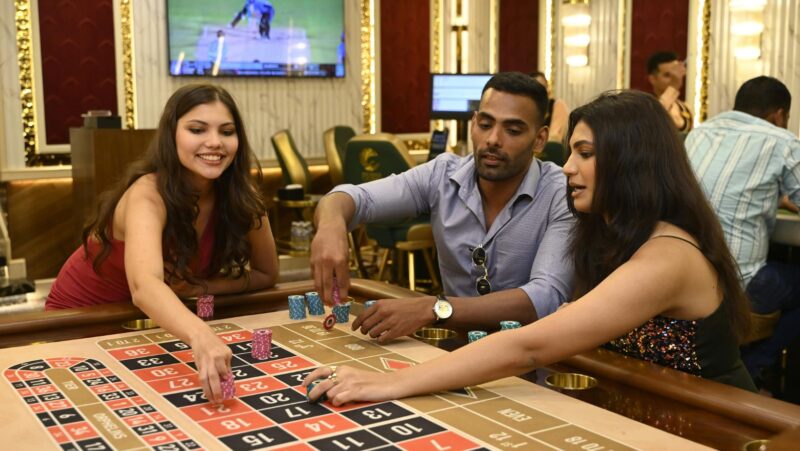
One reason this works is that modern online casino games stopped pretending they needed to be serious. Older versions tried to recreate casino floors. Green tables. Formal layouts. Long instructions. That stuff didn’t survive on phones. It asked too much.
What replaced it feels closer to old arcade logic. Press a button. Something happens immediately. Bright colours. Clear feedback. You know within seconds whether you want to keep going or move on. No learning curve, no sense that you’re doing it wrong.
That design makes these games easy to abandon, and oddly enough, that’s part of why people come back. There’s no guilt attached to leaving. You don’t lose progress. You don’t feel like you quit halfway through something important. You just stop.

Another thing that changed is how people move between games. There’s very little loyalty. Someone might play a few spins of one game, switch to another, then close the app entirely. That behaviour looks almost identical to how people treat short videos or casual phone games. Variety matters more than depth.
Winning still matters, of course, but not in the way people assume. For a lot of casual players, the result isn’t the main takeaway. The feeling during those few minutes matters more. Was it entertaining? Did it feel light? Did it fit the moment?
That’s why stakes often stay modest in these games. The goal isn’t tension. It’s texture. Something to add colour to an otherwise dull stretch of time. If a game feels stressful, it gets dropped quickly. There are too many alternatives competing for attention.
Visual design plays a bigger role here than mechanics. Games that look fun get opened. Games that look complicated get ignored. People decide in seconds whether something feels inviting. If it doesn’t, they move on without thinking twice.
This is also why these games work so well alongside other things. Music playing. TV on in the background. Messages coming in. You don’t need full focus to enjoy what’s happening. You can glance, tap, react, and drift away again.
For a culture and tech-focused outlet like electronmagazine.com, that’s the interesting part. Online casino games didn’t grow by asking for more attention. They grew by asking for less.
They adapted to a world where everything competes for time and focus. Instead of fighting that reality, they leaned into it. Shorter. Brighter. Easier to leave.
And that’s why so many people now treat these games the same way they treat other casual apps on their phone. Not as a serious activity. Just something that’s there when they feel like it, and gone when they don’t.