The Role of Esports in Mainstream Entertainment: From Twitch to Major TV Networks
 Rebecca McCarthy
The landscape of modern entertainment has shifted dramatically, with competitive gaming emerging from niche subcultures to fill massive stadiums. What was once a local hobby has evolved into a billion-dollar industry that rivals traditional sports in viewership and cultural influence. Today, professional gaming is a fundamental pillar of the media world, reflecting a broader change in how we consume interactive content. This meteoric rise highlights a global demand for high-stakes competition and digital-first experiences.
As digital platforms expand, the synergy between gaming and other forms of leisure has become increasingly evident. Fans who enjoy the adrenaline of a virtual victory often seek other interactive experiences that offer similar excitement. For instance, many enthusiasts enhance their downtime by exploring offers like Ice Casino free spins, which provide a unique thrill within the broader digital entertainment ecosystem. This crossover between competitive play and online rewards highlights the growing appetite for engaging, high-quality content accessible anywhere. By bridging the gap between passive viewing and active participation, these platforms have redefined modern entertainment, creating a seamless transition between watching and playing for millions of users worldwide.
The Impact of Streaming Platforms on Global Reach
The explosion of esports was largely fueled by the accessibility of dedicated streaming services. Platforms like Twitch and YouTube allowed anyone to broadcast gameplay globally, creating a direct link between creators and fans that traditional TV could not replicate. This unfiltered, real-time interaction turned casual viewers into loyal communities, providing the foundation for professional leagues and lucrative sponsorships. Over time, these platforms introduced sophisticated production tools, including advanced statistics and expert commentary, which elevated broadcast quality to professional sports standards. These innovations made complex games accessible to a wider audience while maintaining high engagement levels.
To better understand how the medium has changed, we can compare the characteristics of digital streaming with traditional television broadcasting in the table below.
| Feature | Digital Streaming (Twitch/YouTube) | Traditional TV Networks |
| Interactivity | High (Real-time chat and polls) | Low (Passive viewing) |
| Accessibility | Global and on-demand | Regional and scheduled |
| Demographics | Primarily Gen Z and Millennials | Broad, including older generations |
| Monetization | Subscriptions, ads, and tips | Commercial spots and licensing |
The success of these digital-first strategies eventually caught the attention of major media conglomerates. Seeing the massive engagement numbers, traditional broadcasters realized that to remain relevant, they needed to integrate competitive gaming into their own programming schedules. This led to a wave of investments that further professionalized the industry.
Traditional Media Integration and the Future of Broadcasting
Major TV networks now dedicate significant airtime to gaming tournaments, validating esports as a legitimate form of entertainment alongside traditional athletics. By bringing competitive gaming to television, broadcasters reach a wider demographic while introducing polished storytelling that focuses on player personalities. This transition has moved beyond live matches to include documentaries and original series centered on gaming culture. Such integration normalizes gaming as a professional career and attracts major non-endemic sponsors, such as automotive brands. High-definition production standards have further refined the viewer experience, ensuring a sustainable growth model. As technology advances, the boundary between playing and watching will continue to blur, solidifying gaming’s position at the center of global entertainment.
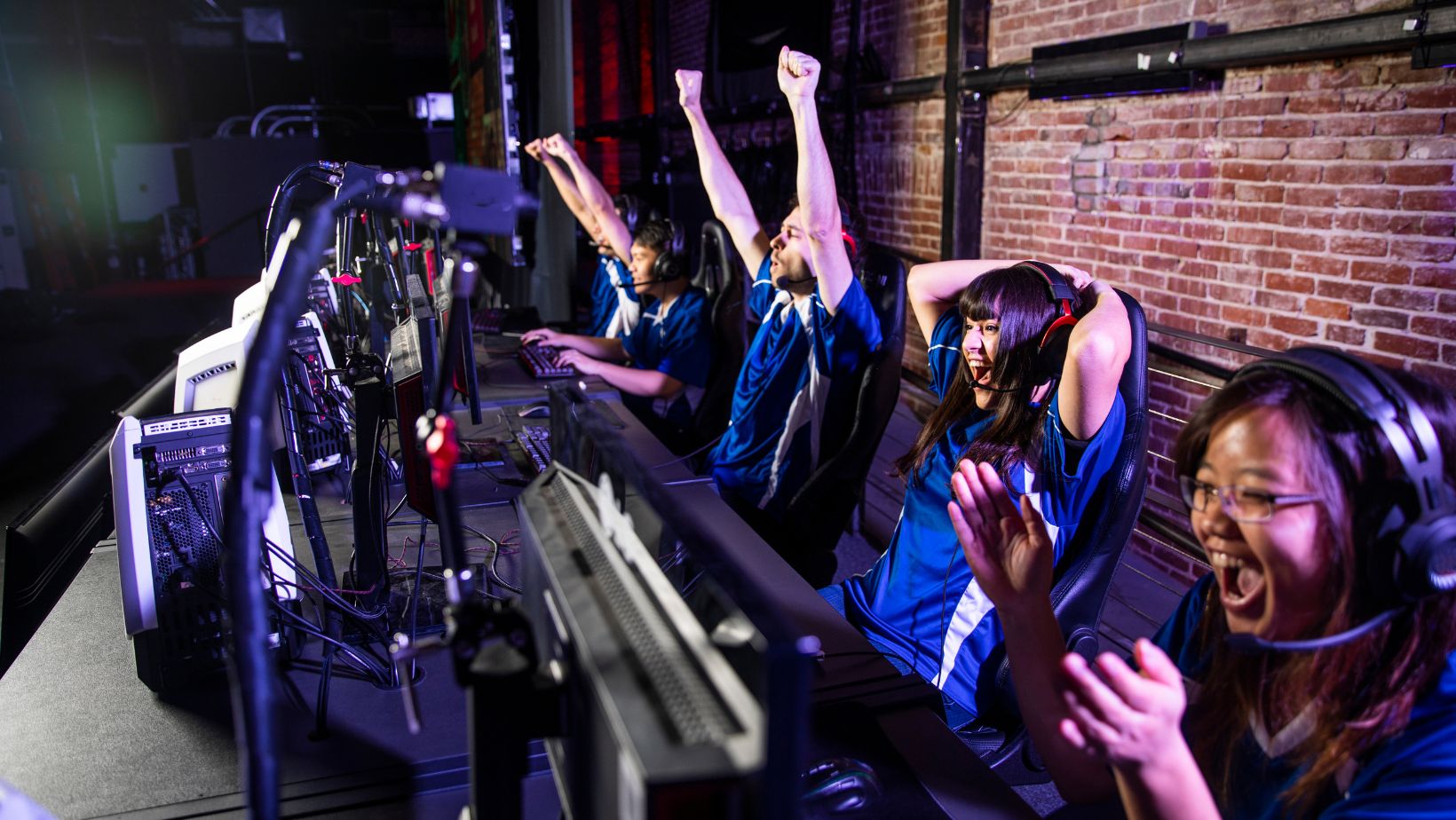
To better understand the current drivers of this growth, it is helpful to look at the specific advantages provided by mainstream television:
- Broadcast Quality: Networks provide cinematic production values for live events.
- Mainstream Legitimacy: Regular TV appearances help normalize gaming as a career.
- Sponsorship Growth: New audiences attract diverse brands from luxury fashion to tech.
These elements combine to create a robust future for the industry. As broadcasters continue to innovate, the reach of competitive gaming will likely expand into even more traditional media spaces.
The Evolution of Hardware and Mobile Accessibility
The mainstreaming of esports is also closely tied to the rapid advancement of gaming hardware and mobile technology. In the past, high-level competitive gaming required expensive PC rigs, but today, powerful smartphones and cloud gaming services have democratized access to the sport. This shift has allowed millions of players in mobile-first markets to participate in the same global ecosystem as console and PC users. Consequently, mobile esports titles are now attracting massive audiences and generating substantial revenue, further proving that the barrier to entry for competitive gaming is lower than ever before. This hardware revolution ensures that the industry can continue to scale across diverse geographic and economic landscapes.
As devices become more capable, the gap between mobile and desktop gaming experiences continues to shrink. This technological parity allows developers to create cross-platform titles that unite different player bases under a single competitive banner. The result is a more inclusive and expansive entertainment environment that adapts to the lifestyle of the modern user, regardless of their preferred hardware.
Embrace the New Era of Competitive Entertainment
The journey of esports from online forums to major television networks is a testament to the power of community and innovation. By offering a unique blend of skill, strategy, and interactivity, competitive gaming has established itself at the forefront of global media. Whether you are a casual viewer or a dedicated fan, the future of entertainment is undeniably digital and increasingly competitive. As the industry matures, we can expect even more creative collaborations between developers and traditional media outlets, resulting in higher levels of excitement for audiences worldwide.
To fully appreciate this evolution, there is no better time than now to dive into the world of professional gaming and interactive media. Stay informed about upcoming tournaments, follow your favorite teams, and explore the diverse range of digital rewards available on modern platforms.