Rebecca McCarthy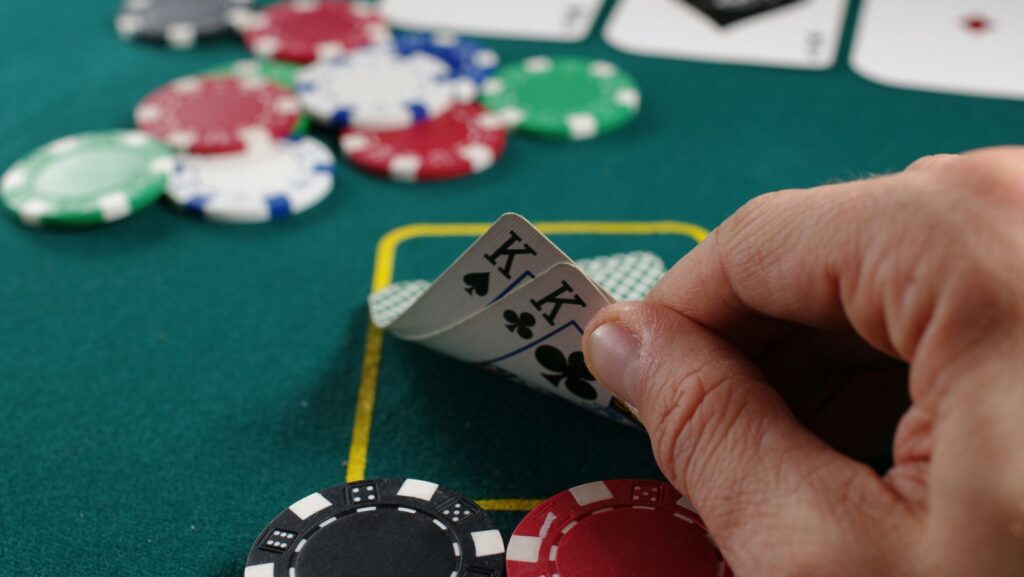
Poker can teach you lessons you might not expect, like reading people and judging risk, while sharpening your mind and focus. Each hand quietly asks you to stay calm, pay attention, and decide without doubt. As you practice, you begin to see how your mind works under pressure and how your habits shape your choices, and those skills follow you into everyday life, whether you are cooking, driving, or organizing your inbox. The hands rise and fall, but the lessons stay, helping you build control, patience, and clear thinking in a fast setting.
Sharper Thinking at the Table
Learning poker builds the kind of thinking you can use anywhere. The game asks you to solve small problems one after another. You look at your cards, the cards on the table, and the actions of other players, then decide what brings the best result. Think of it like a workout for your attention. Day by day, you train your brain to sort the data, skip the fluff, and stay swift.
Math quietly underlies everything. Before you notice, you’re already running quick checks. Check the pot odds; they reveal whether calling will pay off. Outs tell you how many cards can improve your hand. Hand equity gives you an idea of how often you might win. Take these modest steps, and you’ll choose more wisely.
This kind of steady thinking also grows stronger when you start playing online, since the pace moves quickly and your focus needs to stay tight. Many people play at the home of Online Poker when they want to sharpen their skills. Online tables offer diverse poker formats and tournaments that keep players alert and teach them how to plan ahead even when the clues are few. These sites not only offer players enticing bonuses, but they also give your brain a workout for the brain, training you to think straight whenever stress spikes. Quick hands craft it, so you have to decide fast. You discover how to keep your balance as the pot swells. If you practice taking a breath and moving forward in just a few seconds, routine annoyances no longer sit like heavy rocks on your mind.
Stronger Emotional Control
There’s a reason poker is a casino staple. It shows how much your mood can affect your choices. When the dice roll your way, it’s easy to stretch the limits a little too far. When problems arise, many of us think racing ahead will help. Practice turns wild feelings into quiet confidence over time.
If you’ve been on a winning roll, you may find yourself taking careless risks at the table. Those back‑to‑back setbacks can truly sap your spirit. Yet poker teaches you to separate your feelings from the choice in front of you. Even if fate deals a bad hand, the right call remains right. By moving forward, you drop old grievances and focus on the hand you’re about to play.
Patience grows as well. You pass the time watching for a confident hold or a position that just clicks. Even when a hand looks trustworthy, releasing it can be a struggle; still, the moment the movement signals trouble, you find the strength to part. Patience kept calm today sharpens tomorrow’s discipline. Gradually, you place faith in the process, letting go of the urge to grab quick wins.

Self-awareness gradually joins this. A lot of gamers review their moves to spot the moments they faltered. Over time, you start to notice small habits that hold you back, like calling too often or backing away too soon. Seeing these habits clearly helps you make calm, confident choices both at the table and in daily life, proving just how much technology has changed education.
Skills You Can Use Away From the Table
Playing poker sharpens your ability to read other people. You notice the tiniest details: the exact moment a decision is made, the flick of a hand, and the rhythm of betting. These small clues help you sense who feels strong, who feels weak, and who may be trying to fool you. Watching others in this way builds sharp observation that works in conversation, work meetings, and other social settings.
Your money handling becomes tougher, too. Poker shows you how to guard your bankroll and steer clear of reckless bets. You discover how to draw firm boundaries and keep them in place. Using this steady approach, you slowly take charge of both your budget and your decisions.