Rebecca McCarthy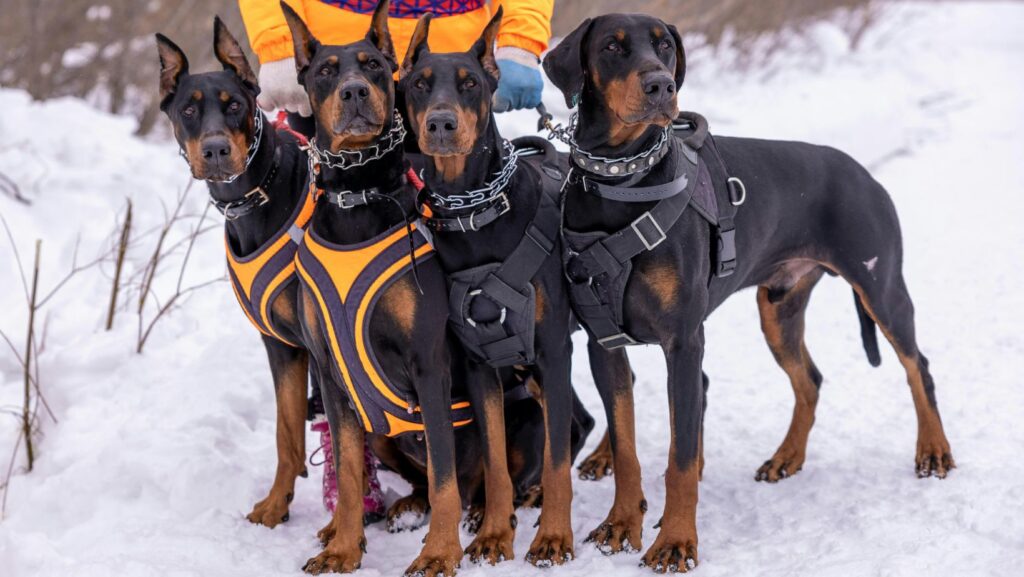
Shopping for lasting dog gear shouldn’t be a guessing game. A collar looks solid in the shop and then, two weeks later, the strap fuzzes out or the buckle pops loose. That’s the difference with durable gear.
Strong seams and solid buckles make a difference on rough walks. The straps don’t slip even when the dog lunges at a new smell, and muddy mornings don’t wear it out fast. Gear like this lasts through months of walks, so it doesn’t need constant replacing. Checking these details while shopping saves frustration later.
1. Why Durability Matters?
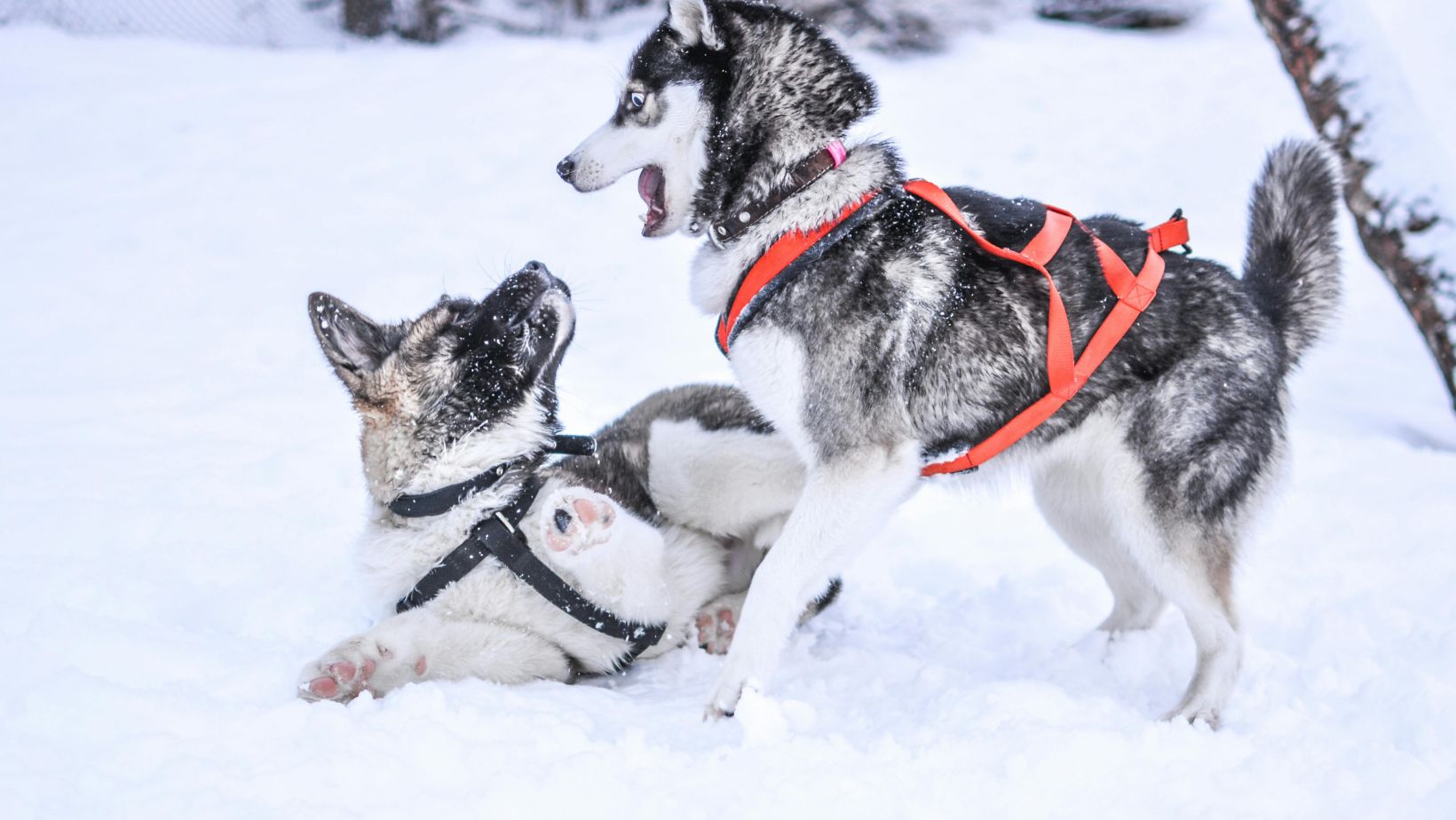
The moment a dog jerks or spins, a weak gear gives itself away. Webbing thins, seams pull loose, and a strap can slip just enough that the gear doesn’t fit right. The pressure and stress applied are the real test of durability.
Relying on a harness that’s really built to last makes walks less of a hassle. The hardware stays in place, the stitching holds, and the straps move with the dog. It saves both money and frustration over time. It also supports your dog’s comfort because stable materials sit better on the body and don’t dig, pinch, or shift in uncomfortable ways.
2. Advantages of Investing in Durable Gear
Durable gear reduces recurring costs and saves time. With solid construction, there is less fiddling with straps and fewer sudden failures. Walks stay on schedule, and you spend less time replacing worn pieces.
Safety also improves when your gear stays strong under repeated pressure. When a buckle locks properly, it does not surprise you by constantly pop open. Straps that do not stretch keep the fit dependable, so dogs cannot wiggle their way out. Sturdy materials make control easier in crowded spots and cut down the worry about gear giving out. A tactical collar, for example, adds rugged hardware for dogs that pull or move with force.
3. How SparkPaws Gear Stands Out?
SparkPaws provides a clear example of how thoughtful construction improves everyday use. Their Comfort Control No‑Pull Harness and collar sets, for instance, are built with triple-stitched and military-grade nylon, helping the gear hold its structure over time. They also add soft neoprene padding in the spots that tend to rub, such as the chest area and the section behind the shoulders. This helps your dog move naturally without irritation.
They don’t stop at collars and harnesses. The brand also makes jackets for rainy days, cozy hoodies, paw protection gear for rough ground, and poop bag holders. Everything is built tough but soft, so dogs can move naturally without rubbing or pinching. The goal for all their designs is comfort and durability.
4. Other Durable Options in the Market
Several other companies also focus on durable gear that supports different lifestyles and activity levels. Some brands lean toward rugged designs that stay strong during hikes or rough ground, like Ruffwear. Others develop lightweight options that still hold up under regular urban walks.
A harness that can be shaped across the body will sit centered on the chest and avoid creeping up the neck during sudden tugs. Kurgo’s Tru-Fit Smart Harness offers multiple adjustment zones to achieve that balanced placement.
For rainy or rough outings, Ruffwear’s outerwear holds up. Its waterproof jacket has reinforced seams and secure closures. The gear cuts wind and water, so a dog stays drier and warmer on the path. And since brands use different fabrics and fastening systems, you have the option to match a specific gear’s style to a dog’s behavior and body shape.
5. Common Pain Points of Finding Dog Gear
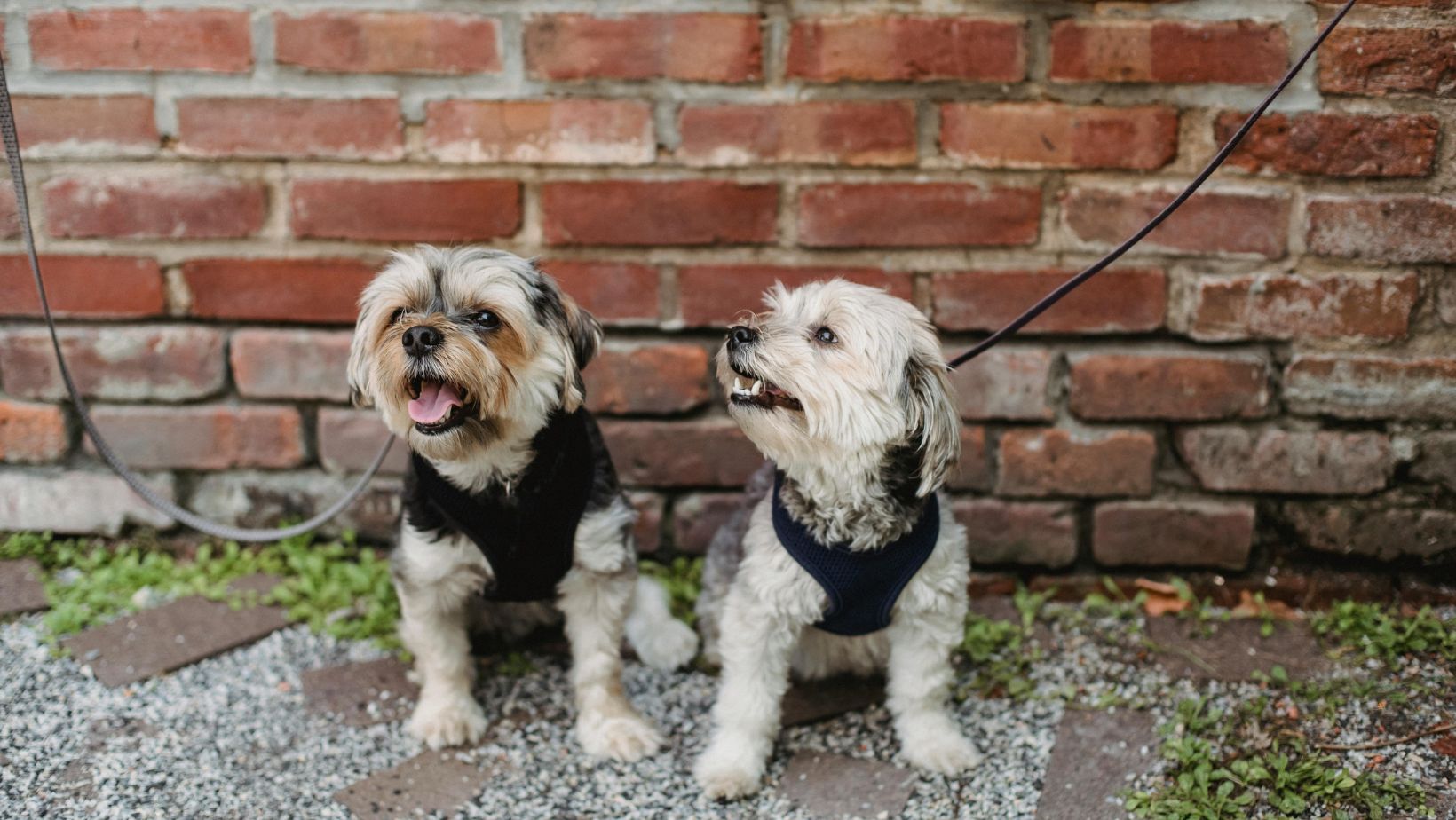
Many owners deal with the same problems once cheaper gear starts to break down. Straps begin to stretch until the fit becomes unreliable. Fraying happens along the edges where rubbing is strongest, leaving rough spots that bother your dog. Some buckles weaken and start clicking open when your dog pulls harder than usual.
Sizing inconsistencies also create confusion because what “medium” means can vary widely. These issues create frustration since you spend more time adjusting and replacing gear than enjoying your walks. They also raise safety concerns because unstable gear forces you to stay alert for slips, shifting pads, or loose parts during every walk.
6. How to Pick and Maintain Gear That Lasts?
Slide a finger along the seam before you buy. If the threads are flush and the sewing looks doubled near the attachments, that’s a good sign. The parts that take the tug should feel firm, not loose or wobbly. Check how firm the gear feels when opened and closed.
Consider materials that support your dog’s routine as well. Look closely at the webbing and padding. Strong dogs can tear weak straps, so firmer material is safer. Lighter-weight harnesses work fine for dogs that barely pull. The padding should press lightly against the chest and shoulders, never bunch or ride up.
Care matters in helping gear last longer. Mud and dirt settle in fast, so give the gear a hand wash. Let it dry naturally on a hook or over a railing so the straps stay their shape instead of shrinking. Once a week, check along the seams and straps. You might spot a fray or loose stitch that needs attention. It’s a small step, but it prevents bigger hassles on walks.
Conclusion
Good gear that lasts makes life easier. Straps that hold their shape and buckles that snap with confidence make a surprising difference. You stop worrying about flimsy gear failing mid-walk. Your dog can explore without you constantly readjusting gear. Investing in something that lasts means fewer surprises and more confidence each time the leash goes on.