Why the Aqueduct Racetrack Is a Key Venue for Horse Racing Bettors
 Fyrconthius Lazenquill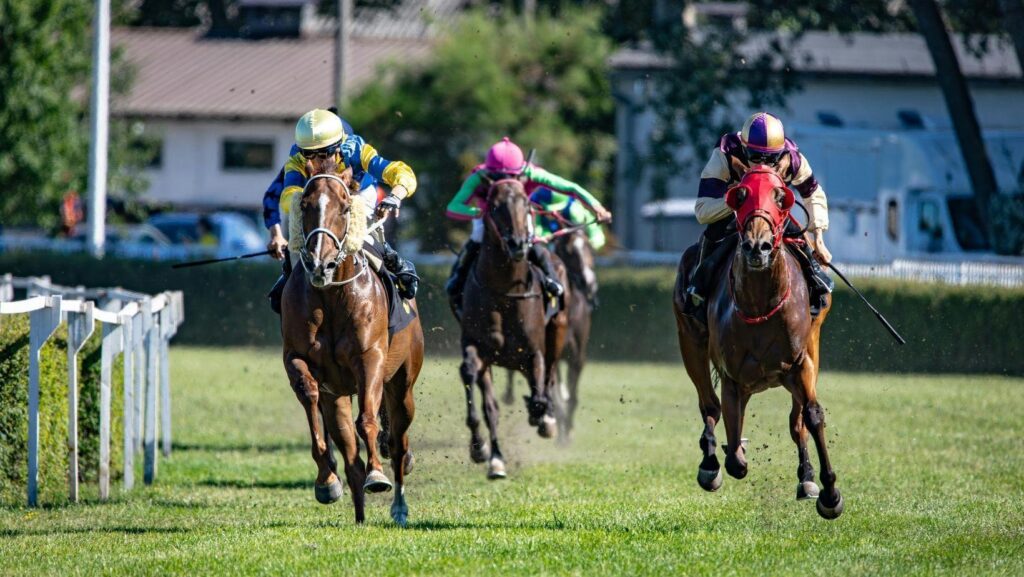
Aqueduct Racetrack sits in a rare spot on the American racing map. It is the only Thoroughbred track inside New York City, and that location gives it weight. The track is also known as the Big A, a name that means something to serious followers. NYRA describes Aqueduct as New York City’s racetrack in South Ozone Park, Queens.
That matters more in 2026 because Aqueduct is not just filling calendar space. Belmont Park is still in the midst of its rebuild, so several downstate dates have been moved to Queens. Today, Aqueduct remains central to the New York circuit as Belmont’s return waits later on the calendar. That setup gives bettors a track to study.
A Calendar That Creates Real Form
Aqueduct’s 2026 role starts with volume. The winter meet opened on January 1 and ran through March 30, with 45 live race days. The spring meet followed from April 2 through April 26, then the Belmont at the Big A meet opened on April 30 and runs through June 28. That gives bettors connected form lines.
Repeat conditions make comparisons cleaner. Horses can reappear over the same surface, under the same circuit habits. For fans studying form over several weeks, the Aqueduct Racetrack provides sharper evidence because the races are held in one familiar setting. That matters when small changes in surface, class, and timing can shift how a horse’s past run should be read.
The Big A rewards close reading because the sample keeps building. A horse that runs twice at Aqueduct offers more useful evidence than one that runs in scattered settings. That steady calendar makes the track valuable for anyone trying to understand New York form with more precision.
Belmont at the Big A Adds Class Depth
The Aqueduct’s value rose while Belmont Park remained closed to live racing. NYRA (New York Racing Association) confirmed that Belmont’s spring and summer meet is again being staged at Aqueduct. That means Queens is carrying races that normally belong to one of the sport’s key New York stages. The track is no longer just a winter stop.
The 2026 Belmont at the Big A meet includes 33 live race days. Its stakes schedule runs through late June, with the Peter Pan serving as the traditional New York prep for the Belmont Stakes. That changes the card’s quality. Bettors are not only studying local allowance runners, but also horses with larger campaign goals.
Surface Variety Makes the Track More Revealing
The main dirt track has long been central to winter racing, while turf racing adds another layer when conditions allow. NYRA also lists separate track specifications for the main track and turf courses. That keeps surface details visible for readers who track race conditions.
Surface context matters because seasonal timing changes the profile of the meet. Winter cards lean heavily on dirt form, while spring racing can bring more variety. That shift helps bettors separate horses that fit one setup from horses that carry form across different settings. The venue makes those differences easier to spot.
The Farewell Factor Sharpens the Market
Aqueduct’s 2026 season also has a closing chapter built into it. NYRA said it would honor the track’s legacy throughout the year, with events leading up to the final day on June 28. TrueNicks also reported that racing operations are set to consolidate at Belmont after the rebuilt facility opens. That makes this meet more than a routine calendar bridge.
The practical effect is simple. More attention tends to follow a venue when a final season is underway. Bettors get deeper coverage and more discussion around key cards. That does not make every race easier. It makes the information stream richer for anyone willing to read past the surface.
New York Circuit Context Gives Bettors Better Clues
Aqueduct works best when viewed as part of the larger NYRA circuit. Saratoga hosts the Belmont Stakes Racing Festival again in 2026, while Belmont Park is scheduled to reopen on September 18. Aqueduct sits between those two points, which makes it a bridge in the state’s racing calendar. Horses that run well in Queens can become important later.
That circuit link matters because New York racing often produces connected storylines. Trainers use the calendar to carefully place horses, and race placement can reveal intent. Aqueduct gives bettors a window into those decisions before the bigger summer and fall stages arrive. The best read often comes from tracking management, not only the finish.
The Big A Still Has an Edge
Aqueduct is valuable because it turns routine winter and spring racing into useful evidence. The track gives bettors steady race volume, class shifts, and surface clues that can carry forward. It also sits at the center of a rare transition year for New York racing. Aqueduct may be nearing its final bow, but its data still has life. For bettors who study the New York circuit, the Big A remains one of the clearest places to read what comes next.
About The Author