Helectromyth Creatures: The BeastWeave LoreVault Guide To Shocking Monsters (2026)
 Fyrconthius Lazenquill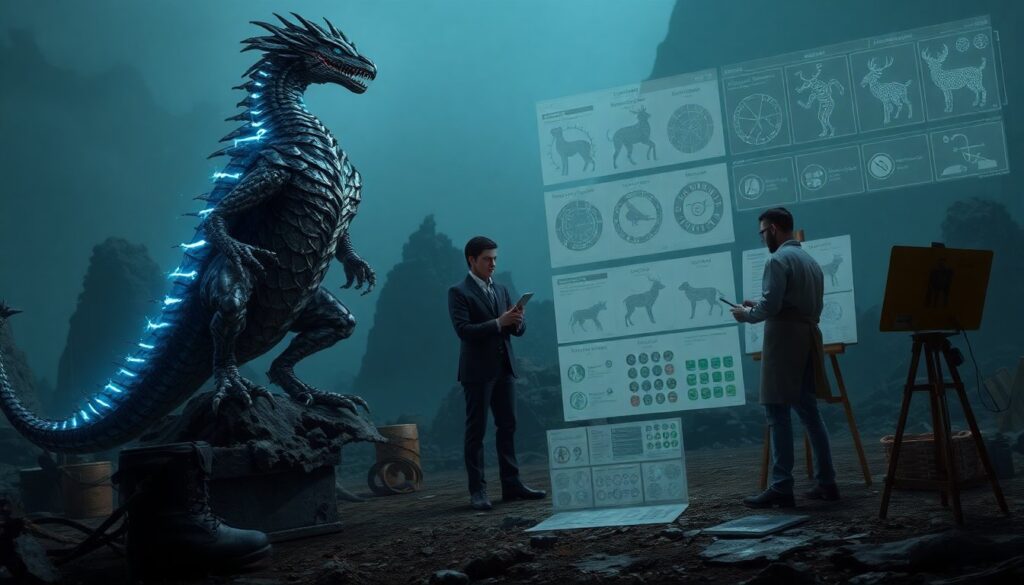
The guide introduces helectromyth creatures by beastweave lorevault as a new monster class. The text states their core concept, role, and appeal. It sets player expectations and hints at practical use. It stays clear and direct. It prepares game masters and artists for fast adaptation.
Key Takeaways
- Helectromyth creatures by BeastWeave Lorevault blend mythic beasts with elemental electricity to create unique energy-based game threats.
- These creatures serve diverse roles such as predators, omens, and environmental hazards, adding tactical complexity and narrative depth.
- Their anatomy supports electromantic abilities like charge storage, EMP pulses, and power rerouting, making them versatile opponents.
- Distinct variants like the Sparkling Hound, Coilback Stag, and Faraday Drake offer varied combat styles and ecological functions.
- Game masters can easily integrate helectromyth creatures by BeastWeave Lorevault into campaigns using provided maps, icons, and visual design guidelines.
- The guide supports fast adaptation for artists and designers, offering sprites, animations, and sound cues to enhance immersive gameplay.
Origins, Mythos, And Role In The BeastWeave Universe
BeastWeave authors created helectromyth creatures by beastweave lorevault to add energy-based threats. The team fused mythic beasts with elemental electricity. The concept draws on storm spirits, old metal golems, and lab experiment lore. Authors placed these creatures in border regions and ruined forges. They gave them a social role as scavengers and warders of charged sites.
Writers framed helectromyth creatures by beastweave lorevault as both predator and omen. Local NPCs react with fear and trade myths about lightning marks. Game designers used the creatures to gate access to power sites. The creatures also test party tactics against area effects and circuit-like puzzles. The design aims for clear mechanical hooks and memorable visuals.
Artists found the helectromyth creatures by beastweave lorevault easy to render. The beasts mix organic and metallic textures. Animators used short, staccato motions to sell electrical discharge. Sound designers layered crackles and low hums to signal nearby danger. The result creates strong player anticipation and clear audio-visual cues.
Anatomy, Electromantic Abilities, And Common Variants
A typical helectromyth creature by beastweave lorevault has conductive skin, insulated organs, and spark-lined appendages. The anatomy supports charge storage and controlled discharge. The creature eats metal shavings, ionic fungi, or charged crystals to refuel. Biologists in the lore compare its organs to capacitors.
These creatures by beastweave lorevault use simple electromantic abilities. They store charge, emit arcs, and pulse EMP fields. Some variants focus on direct shocks. Others emit area pulses that disrupt gear. Certain rare variants can tether to machines and reroute power. Designers kept abilities modular so masters can scale threat by stage.
Common variants include the Sparkling Hound, Coilback Stag, and Faraday Drake. The Sparkling Hound uses quick arcs and hunt packs. The Coilback Stag uses antler conductors to channel storms. The Faraday Drake uses layered scales to focus long-range bolts. Each variant has clear combat roles and simple ecology notes.
Notable Helectromyths, Statlines, Behavior, And Encounter Notes
The guide lists sample statlines for balance reference. The Sparkling Hound acts as skirmisher. It deals small chained shocks and retreats. The Coilback Stag acts as area controller. It pins players with rooted pulses. The Faraday Drake acts as a hazard and miniboss. It fires sustained beams and charges the battlefield.
Behavior entries describe hunger triggers, pack size, and lair traps. Encounter notes suggest terrain that favors the creature, such as high metal density or rain. The guide warns that helectromyth creatures by beastweave lorevault scale poorly against armies with insulated gear. The guide also suggests puzzle hooks using charge routing and simple rewiring checks.
Designers can swap resistances, recharge rates, and discharge ranges to fit tone. The guide gives quick tables and example dice mechanics for fast conversion to common systems. It also gives roleplay cues for villagers, travelers, and researchers who know the creature.
Using Helectromyths In Campaigns, Maps, And Visual Design
Game masters can place helectromyth creatures by beastweave lorevault as environmental hazards. A single creature can power a ruin or short-circuit a bridge. A pair can create dangerous travel lanes. The guide shows map tiles that include conductive nodes, grounded pylons, and danger radii.
Map makers can mark zones with simple icons. The guide uses a lightning bolt for discharge areas and a plug symbol for recharge points. These icons help players plan moves and place tools like insulating boots. Visual design notes recommend limited color palettes with bright blue and copper to signal electrical threat. They advise artists to show residue scorch marks and metal pitting to sell history.
The guide also shows how to integrate helectromyth creatures by beastweave lorevault into story arcs. A faction may harvest the creatures for power. Another faction may hunt them for trophies. A town may hire parties to clear a charge node. These hooks make the creatures feel useful beyond combat.
For cross-media use, the guide offers sprite sets, model briefs, and animation keys. It gives sprite dimensions, poly limits, and sound cue lengths. It suggests loopable shock animations and short idle hums. The guide also connects the creature type to broader gaming trends and culture, noting its fit in competitive scenes and streaming play. That cultural link reflects the rise of e-sports and culture, as discussed in a piece on the field of competitive gaming and culture, where observers trace how video game play grew into major events and audience moments e-sports emergence.
About The Author