AI-Driven Personalization: How Algorithms Are Redesigning User Interfaces in Real Time
 Greg Mcfee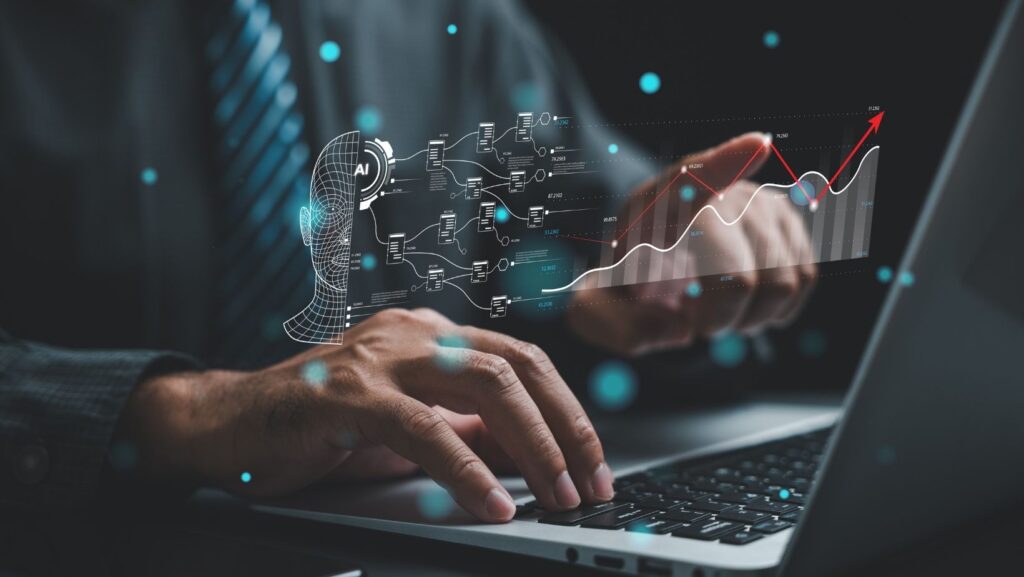
For the past two decades, the foundational principles of software navigation have remained relatively static. When a consumer downloaded a new application or logged into a digital service, they were greeted by a rigid, universal layout designed to accommodate the broadest possible demographic. Menus were hardcoded, settings were buried under standard universal tabs, and the overall user experience was identical regardless of the individual operating the device. Today, that “one-size-fits-all” approach to digital architecture is rapidly becoming obsolete. The modern tech landscape is currently undergoing a massive structural overhaul driven by artificial intelligence. By leveraging complex machine learning algorithms, developers are transitioning away from static web pages and applications, opting instead to build dynamic, living interfaces that actively redesign themselves in real time based entirely on individual user behavior.
The Shift from Static to Dynamic Interfaces
The core philosophy behind algorithmic personalization is simple: no two consumers utilize software in the exact same manner. While one user might open a banking app exclusively to check their checking account balance, another might use the same application entirely for trading stocks and managing international wire transfers. Recognizing this disparity, modern artificial intelligence engines actively monitor interaction patterns, logging where a cursor lingers, which tabs are ignored, and what times of day specific features are accessed. Using this aggregated behavioral data, the software instantly reorganizes its visual hierarchy, pushing heavily utilized tools to the forefront while silently hiding irrelevant menus.
This level of aggressive personalization is particularly evident in highly competitive, high-volume digital environments. The adult digital entertainment sector, for example, has been a massive early investor in this adaptive technology. For adults navigating this highly saturated market, comprehensive guides compiled via Latintimes showcase how top Canadian platforms utilize artificial intelligence to curate personalized gaming lobbies. By instantly analyzing a player’s previous wagers, preferred game genres, and average session lengths, these digital casinos dynamically reorganize their homepages to ensure users instantly find the betting experiences that match their specific interaction patterns. This seamless integration of machine learning ensures that the platform feels entirely bespoke, massively increasing user retention by eliminating the friction of manual navigation.
The Tech Behind Predictive Navigation
To achieve this level of instantaneous customization, software engineers rely on sophisticated predictive algorithms operating seamlessly in the background. These systems utilize deep neural networks that are trained on millions of previous user sessions, allowing the software to literally anticipate the consumer’s next action before a physical click even occurs. If a consumer routinely orders groceries every Friday afternoon, the artificial intelligence governing the application will proactively restructure the homepage on Friday morning, moving the shopping cart and reorder buttons to the most accessible zone of the touchscreen.
This backend processing is incredibly resource-intensive, requiring robust cloud infrastructure and optimized code to ensure that the interface does not lag while recalculating its layout. Furthermore, the industry is witnessing how AI is transforming UI and UX design by allowing the software to alter its aesthetic properties alongside its functionality. Applications can now independently adjust color contrast for users who exhibit visual strain, increase button sizes for audiences who struggle with fine motor control, and automatically switch between text-heavy or image-heavy layouts depending on how quickly the user typically scrolls through content.
Navigating Data Privacy and Public Information
While the benefits of an adaptive, bespoke user interface are undeniable, the technology relies heavily on the constant extraction and analysis of massive datasets. For an artificial intelligence model to successfully personalize a digital layout, it must first consume vast amounts of behavioral information. This reality presents a significant challenge for developers navigating the modern cybersecurity landscape. Tech companies must strike a delicate balance between offering a highly intuitive experience and respecting strict global privacy regulations.
To train these predictive models ethically, engineering teams must clearly distinguish between aggregated behavioral trends and sensitive personal identifiers. When building the initial frameworks for these predictive systems, developers must be extremely careful regarding understanding publicly available information versus scraping protected, private consumer data. Consequently, the industry is rapidly adopting decentralized machine learning techniques, such as federated learning, which allows the artificial intelligence to learn from user behavior locally on the device without ever transmitting sensitive personal files back to a central corporate server. This ensures that the interface remains highly intelligent while keeping the consumer’s digital footprint entirely secure.
The integration of predictive algorithms into interface design represents a monumental leap forward in how the public interacts with standard consumer electronics. By abandoning rigid layouts in favor of highly adaptable, intelligent digital ecosystems, developers are successfully eliminating navigational friction and creating remarkably intuitive software. As machine learning models continue to refine their predictive capabilities, the standard tech experience will eventually become entirely bespoke, ensuring that every digital environment is perfectly molded to the individual.