How Do You Play Cricket? Rules, Basics, and What Cricket Is All About
 Rebecca McCarthy
The Game That Takes a Day to Learn and a Lifetime to Follow
There is a version of cricket that exists in the imagination of everyone who has never watched it, a version that is confusing, slow and governed by rules that seem deliberately designed to resist ordinary understanding. You know , know what? Then there’s the real game, that is tactically and psychologically one of the most layered team sports on Earth, played on five continents, from a three-hour blast to a five-day test of stamina and nerve. Analysts, cricket communities and platforms such as dbbet treat a tense final session at Lord’s or a final T20 in Mumbai with the same fervor as other sports do for the biggest elimination nights. And oh yeah, Once you understand how to play cricket, this intensity makes perfect sense. Even then, it can seem like there , there are eleven , eleven people standing in the field waiting for something to happen.
You know what? There’s always something going on. You just have to know where to look.
What Is Cricket, in Its Most Basic Form
What are crickets structurally? Two teams of eleven players… Seriously, One team’s batsmen and one team’s pitches. The batting team sends two players to a rectangular strip of ground – the outfield – in the middle of a large oval field. The fielding team tries to get these , these batsmen out. The batting team tries to score as a bunch of runs as possible before losing all 10 runs.
like fifty wickets, not eleven, because you always need two batsmen on the field at the same time. When the ten is over, the inning is over – the eleventh batter has no one to bat with.
A run is scored , scored by hitting the ball , ball and running , running between two sets of stumps—three upright wooden posts balanced with two small , small pieces of wood on top called bails—at either end of the field, 22 yards , yards apart. Each time both batsmen reach the other end, a run is scored. If the ball along the ground reaches the edge of the field, its automatically four , four runs. Seriously, If it crosses the line without rebounding, it’s six. These are the only numbers in cricket results that you really need to know to follow the match.
The Pitch, the Crease, and the Basic Geography
The pitch is the hard, flattened strip of ground at the centre of the field. It gets worn as the game progresses — footmarks appear, cracks develop — and that deterioration is tactically significant in longer formats because it changes how the ball behaves off the surface.
At each end of the pitch is a set of stumps with a crease — a line drawn in front of them. When a batter is behind their crease, they’re safe. When they’re outside it and the fielding team removes the bails — either by throwing the ball directly at the stumps or when the wicketkeeper (the fielder standing behind the stumps) catches the ball and breaks the stumps — the batter can be run out.
The fielding positions in cricket have names that take years to learn properly and that even experienced viewers occasionally get wrong. Fine leg, square leg, gully, silly mid-on, third man — each describes a specific location on the field relative to the batter’s position. You don’t need to know all of them to follow cricket. But knowing that the fielding captain moves players between these positions based on the batter’s tendencies and the bowler’s plan — that is essentially the whole game, happening in real time, between every ball.
How the Bowling Works
The fielding team’s primary weapon is the bowler. In cricket, the ball is not thrown to the batter — it is delivered in a specific action where the arm must be straight at the point of release. Bowling with a bent arm that straightens through delivery is called chucking and is illegal, though it has been the subject of more controversy across cricket history than any other technical rule.
The ball is delivered from one end of the pitch, bouncing once off the surface before reaching the batter, in most cases. The bowler aims to dismiss the batter or restrict runs. The batter aims to score or survive. Both are valid objectives simultaneously, and the tension between them drives the whole game.
Six consecutive balls from one end constitutes an over. After each over, the bowling switches to the other end, and a different bowler takes the ball. No bowler can bowl two consecutive overs. This rotation is one of the fielding captain’s primary tactical decisions — which bowler to use, from which end, against which batter, at which point of the innings.
There are two main categories of bowlers. Seriously Fast bowlers – or fast , fast bowlers – deliver the ball at speeds in excess , excess of ninety miles relying on speed to swing through the air and move , move the seams off the pitch. Seriously Bowlers spin more slowly and use their spin on the ball to spin off the surface , surface that becomes more effective as the pitch wears on. Like A complete bowling attack includes both and managing the balance between them over a long innings is one of cricket’s most profound tactical arts.
The Ways a Batter Can Get Out
How to play defensive cricket? You understand how to get fired because avoiding them is the whole mission.
And oh yeah, Polide is the cleanest. The ball hits the stumps , stumps and dislodges the bails. You know what? A little, no need for more conversation.
Caught is the most common in most , most formats. And oh yeah, The batsman hits the ball and the fielder catches it before IT touches , touches the ground. This means that the keeper catches the ball that the batsman has hit but has not hit properly.
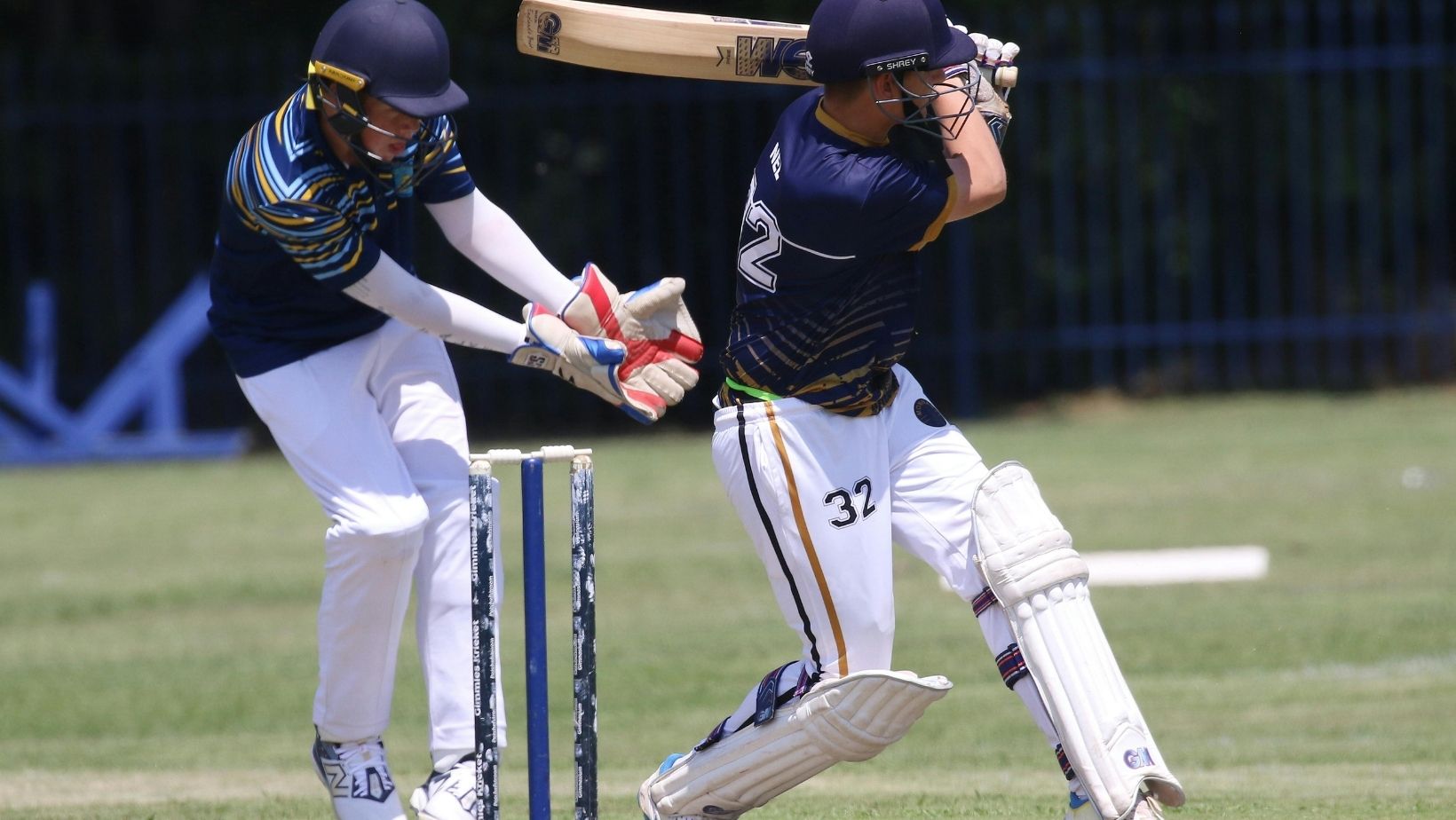
And oh yeah, LBW – leg before the wicket – is the most controversial. If the ball hits the batting , batting pad (leg guard) instead of the bat and the umpire judges that it would have gone on to the stumps, the batsman is out LBW. This judgment involves assessing where the ball is pitched, whether its hitting , hitting the stumps and whether the batsman is trying to play the ball. It has been the subject of more debate between players and umpires than any other , other chapter in cricket’s history, that is why the decision review system – where teams can use ball-tracking technology to challenge the umpire’s decision – was first invented to solve it.
You know what? Running out occurs when the batter is outside the fold, when its billets break. The confusion is similar – the keeper breaks the stumps while the batsman is outside the crease but without , without attempting to run, usually when the batsman advances to the bowler’s ball and misses it. Hitting the wicket means the batsman has dropped the stumps while shooting or running. Handling the ball, obstructing the pitch, and hitting the ball twice are all legal methods of throwing out that rarely happen and cause a lot of excitement when they do.
The Three Formats and Why They Each Feel Like a Different Game
Cricket offers three different answers to the question of how to play cricket depending on that format you look at and understanding the differences is the most important context for a new viewer.
Test , Test cricket is the original form , form of the game and for its fans the only form of the game that fully tests what a player , player can do. Two rounds per page for a maximum of five days. A team can bat for two days and lose. And oh yeah The game could end in a tie — not a tie but a tie and neither team dispatched the other twice before time ran out. Test cricket rewards patience technique mental strength AND the ability to sustain focus and physical effort over a bunch of days. This is the only format where a five-day presentation becomes a character in itself.
And oh yeah One-day internationals – ODIs – consist of fifty overs played by each , each side completed in one day. Each team bats once. There , There is always a result. The format was born in the 1970s as a more commercially available version of the game , game and eventually led to the quadrennial Cricket World Cup. like fifty overs creates a different tactical structure – early catches are important but so is acceleration in the last ten overs and the relationship between wickets in hand and wickets left determines each captain’s decision-making process in the middle phase.
T20 cricket – twenty balls a side – is the format that brought cricket to an audience that would not otherwise watch a five-day match. Guess what? Twenty overs is almost three hours of cricket. The batsmen attack from the first , first ball. You know what? Scores of 200 or more in twenty moves are now routine. Seriously This format led to the launch of the Indian Premier League that became one of the most commercially valuable sports leagues in the world within a decade of its inception. And oh yeah T20 has seen the fastest global expansion of cricket and its through this format that most young people in non-traditional cricketing countries are exposed to the game for the first time.
Guess what? Seriously the three formats require very different skill , skill sets and players who excel , excel in all three — Virat Kohli Ben Stokes Babar Azam — are rare in a way that the demands of multiple formats fully explain.
What Cricket Actually Looks Like in a Single Day of Play
How to play cricket at the level that most spectators will encounter? Daily , Daily play of Test matches lasts from approximately 11 am to 6 pm local time, with , with two breaks – a forty minute lunch and a like fifty minute tea break. Breaks is not accidental. And oh yeah, They are part of the rhythm of the game, and the structure of the session , session shapes the tactical decision-making. The captain wants to take the wicket before lunch, defend , defend the wicket at tea and attack in the final session when the lights go out and the tired players make mistakes.
Nothing visible happens between the balls. Seriously, In practice, the batsman decides the position of the field, decides whether the next delivery will be a keeper, and considers where the bowler’s last , last three balls have gone. The fielder thinks about , about bringing a fielder off the pitch, whether , whether the fielder has enough for another fielder, and whether the batsman’s weakness is outside the off-stump or around leg. All this happens in the eight to twelve seconds between deliveries.
And oh yeah, And oh yes – the ball between innings is of great importance. Thanks to its smooth surface, a new ball swings in the air. The older ball loses this swing, but it can be reversed if one side is smooth , smooth and the other is intentionally rough. A spinner’s primary weapon is the ball that has been bowled fifty or sixty times and is sufficiently worn , worn to dominate the field. Guess what? Taking care of the condition of the ball is one of the silent, continuous tasks of the competing team at every training session.
The Scoring System and How to Actually Read a Scorecard
Cricket scorecards may seem impenetrable at first glance… And oh yeah, They’re not, if you already know what each column means.
Seriously, The batsman’s individual score is displayed next to his name. Seriously, And besides, they were expelled – “Bamra” means throwing bamrah; “c Root b Anderson” means Root caught off Anderson’s bowling; “lbw b wide” means LBW output to wide. “Not out” means there were , were still batters when the innings ended.
A team’s score is expressed as runs/wickets – so 320/6 means , means they scored 320 runs with six wickets lost. You know , know what? When a team , team is completely out, the score simply shows like fifty wickets as ten dismissals end the innings.
Guess , Guess what? In Test cricket, run rate is less , less important than in limited , limited overs cricket. You know what? In T20, the run rate , rate – the number , number of runs that go into , into an over , over – is essentially the most watched number in the game because it shows how far ahead or behind the target a batsman , batsman is at any given moment.
The Fielding Positions and What the Captain Is Actually Thinking
The fielding captain has nine players to place around the field — plus the bowler and wicketkeeper, who have fixed positions. Every one of those nine can go anywhere within the boundary. The captain positions them based on the current batter’s scoring patterns, the bowler’s natural trajectory, the game situation, and sometimes pure instinct.
Slips — fielders positioned behind the wicketkeeper at angles to catch edges — are placed when the bowler is expected to take the outside edge. Close catchers around the bat — silly mid-on, silly point — are positioned when the captain is hunting a wicket and is prepared to sacrifice the runs those positions leave open elsewhere. A defensive field, with most players on the boundary, is set when protecting runs matters more than taking wickets.
You know what? The field placement chess match between batter and captain is happening continuously and visibly for anyone watching. When a batter looks up and notices three fielders on the leg side, they’re receiving tactical information about what the next delivery is likely to be. Whether they adjust, and how, is the individual confrontation inside the team game that cricket does better than almost any other sport.
The History That Makes Cricket What It Is
Cricket’s origins are in England, and the game carries that origin in ways that are sometimes celebrated and sometimes contested. The Laws of Cricket — not rules, laws — are maintained by the Marylebone Cricket Club, an institution based at Lord’s Cricket Ground in London that has governed the game’s regulations since the eighteenth century. That institutional continuity is unlike anything in other major sports.
But cricket’s cultural weight sits most heavily in South Asia, the Caribbean and Australia, where the game arrived through colonial history and became something that communities claimed for themselves. India’s relationship with cricket is unlike any country’s relationship with any sport anywhere in the world — the BCCI is the richest cricket board on earth, the IPL draws the biggest player salaries, and a Test match between India and any major opponent generates broadcast numbers that dwarf most international sporting events.
The West Indies cricket tradition produced players — Garfield Sobers, Vivian Richards, Brian Lara — whose skill levels and cultural significance within Caribbean identity remain points of reference decades after they retired. Australia built a cricketing culture around competitive aggression that produced periods of dominance, particularly through the 1990s and 2000s, that opponents still talk about as a kind of benchmark for what excellence in the sport looks like at its hardest.
What is cricket, in its cultural dimension? It is a sport that arrived in many countries as part of an empire and was gradually turned into an expression of independence from it. That tension has never fully resolved, and it probably never will.
Conclusion
How to play cricket is a question with a straightforward answer that expands the more you follow it. Two teams, one ball, a bat, two sets of stumps, and a set of laws that have been refined across three centuries of professional sport. The basics take an afternoon to understand. The tactics take years to fully appreciate.
And oh yeah — the thing that catches people once cricket has caught them is the time. The game’s relationship with time is unlike any other sport. Five days of Test cricket builds a narrative complexity, a set of character arcs and tactical evolutions, that ninety minutes of football genuinely cannot replicate. T20 compresses all of that into an evening. Both experiences are legitimately cricket, and both are legitimately excellent.
The game doesn’t ask you to understand it all at once. It just asks you to watch long enough for something to happen. Something always does.