Skip to content
Electronmagazine

Electronmagazine

Engage in Entertainment & Culture, Navigate Tech & Guides, and Immerse in the Gaming Realm

  • Home
  • Entertainment & Culture
  • Tech & Guides
  • Pokemon
  • About Us
  • Talk to the Team
  • Home
  • Interesting Facts
  • The Everyday Freedom an Injury Can Quietly Take Away

The Everyday Freedom an Injury Can Quietly Take Away

Phrendylor Xyventhari August 27, 2026 4 min read
15

Table of Contents

Toggle
  • Ordinary Tasks Can Suddenly Require a Plan
  • The Things You Do for Fun Matter Too
  • Losing Independence Can Be Particularly Difficult
  • How Do You Prove Something Without a Receipt?
  • Conclusion

Before an injury, most people don’t think twice about getting out of bed, driving to the store, carrying groceries, playing with their children, or going for a walk. These aren’t accomplishments. They’re simply ordinary parts of a day, which is exactly why their importance can be easy to overlook.

A serious injury can suddenly turn those automatic activities into decisions. Is the walk too far? Will sitting through dinner hurt? Can someone else drive? Is there enough energy left to go out after work? Life may still look relatively normal from the outside while dozens of small freedoms have quietly disappeared.

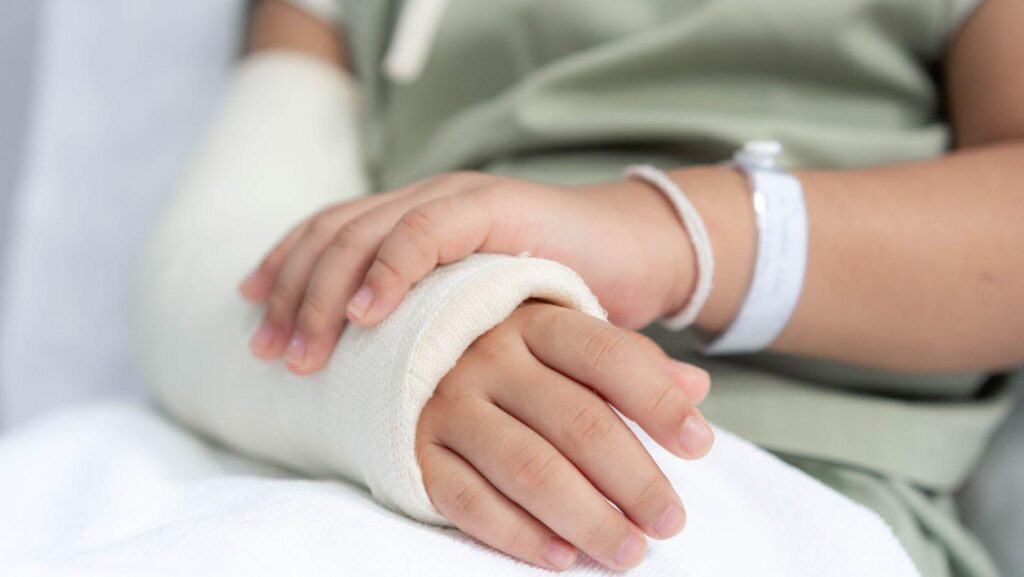
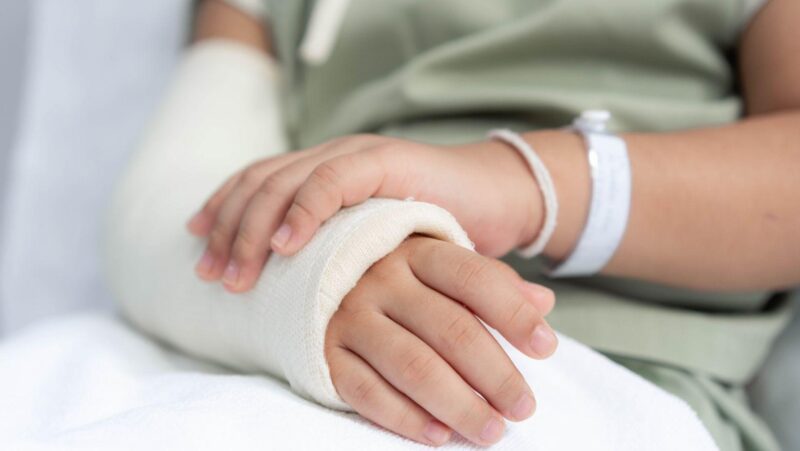
Those changes are part of what people mean when discussing quality of life. The impact of an injury isn’t measured only by hospital visits and medical bills. Sometimes it’s best understood by looking at everything that became harder afterward.

Ordinary Tasks Can Suddenly Require a Plan

Think about how many physical movements happen before breakfast. Getting out of bed, showering, getting dressed, walking downstairs, preparing food, and driving to work can all happen without much conscious thought. An injury can turn that routine into a series of obstacles.

Someone with a back injury may have difficulty sitting long enough to commute. A leg injury might make stairs challenging. Pain can interfere with sleep, leaving someone exhausted before the day even begins. Cooking, cleaning, shopping, and exercising may require more time or assistance than they did previously.

None of these changes necessarily produces a separate receipt. Yet together they can dramatically affect someone’s daily experience.

This is why understanding an injury requires looking beyond the diagnosis itself. Two people can have similar medical conditions while experiencing very different limitations depending on their jobs, homes, responsibilities, and ordinary routines.

The Things You Do for Fun Matter Too

Medical recovery often focuses on essential functions. Can the person walk? Can they work? Can they take care of themselves? Those are obviously important questions, but life isn’t supposed to consist only of the activities necessary to get through the day. Hobbies and recreation matter too.

Someone who ran every morning may no longer be able to run. A parent might have difficulty getting onto the floor to play with a young child. Weekend basketball, gardening, hiking, dancing, traveling, or simply going out with friends can become difficult because of pain or physical limitations.

Social life may change indirectly as well. Someone who can’t sit comfortably for long periods might begin turning down dinners or events. Fatigue can make activities that once sounded enjoyable feel exhausting.

These losses may seem small individually. When they continue for months or years, however, they can change how someone experiences everyday life.

Losing Independence Can Be Particularly Difficult

There’s a meaningful difference between receiving help because you want it and needing help because you can no longer do something yourself.

After an injury, a person who was completely independent may suddenly rely on a spouse to drive them to appointments. A family member may need to carry laundry, prepare meals, handle errands, or help with personal tasks. Even temporary dependence can be frustrating.

The emotional effect isn’t necessarily about pride. Independence gives people control over their schedules and choices. When ordinary activities depend on someone else’s availability, that freedom becomes smaller.

This can affect confidence as well. Someone may worry about falling again, aggravating an injury, or being unable to finish an activity once they’ve started it. They may avoid situations they previously handled without hesitation.

Physical recovery and emotional adjustment therefore aren’t always separate experiences. The loss of independence itself can become one of the most difficult changes an injured person has to navigate.

How Do You Prove Something Without a Receipt?

Medical bills are relatively easy to document. There’s a provider, a service, a date, and a dollar amount. Showing how someone’s everyday life changed requires different kinds of evidence.

The injured person’s own description can help explain what life looked like before and after the accident. Family members, friends, or coworkers may also have observed changes in activities, mood, independence, or physical abilities.

Medical records can provide another piece of the picture by documenting symptoms, restrictions, treatment, and progress. Photographs or videos may show activities someone regularly enjoyed before the injury or difficulties experienced during recovery.

Some people also keep notes or journals describing pain, sleep problems, missed activities, and important milestones. No single piece necessarily captures the entire experience. Together, however, these details can turn an abstract statement like “my life changed” into specific examples of exactly what changed and how often those limitations were felt.

Conclusion

The financial consequences of an injury are important because bills and lost income can create enormous pressure. But money isn’t the only thing an accident can take away.

An injury can change how someone sleeps, works, exercises, travels, socializes, cares for family members, or handles simple household tasks. It can turn spontaneous activities into carefully planned ones and make an independent person rely on others for things they once did automatically.

Those changes are difficult to summarize because they don’t arrive on invoices. Understanding the full impact therefore means asking more than how much treatment cost or how many days of work were missed. It means comparing life before the injury with life afterward.

Sometimes the biggest loss isn’t one dramatic thing someone can no longer do. It’s the accumulation of a hundred ordinary things that used to require no thought at all.

About The Author

Phrendylor Xyventhari

See author's posts

Post navigation

Previous Top 5 White-Label Forex Brokerage Solutions in 2026
Next The Everyday Freedom an Injury Can Quietly Take Away

Trending

Top Ways for Introverts to Make Money on OnlyFans 1

Top Ways for Introverts to Make Money on OnlyFans

August 28, 2026
The Rulebook Every Big Rig Carries Without You Seeing It 2

The Rulebook Every Big Rig Carries Without You Seeing It

August 27, 2026
Why Do Lawyers Call It the Bar 3

Why Do Lawyers Call It the Bar

August 27, 2026
The Invisible Wall Around Your Conversations With Your Attorney 4

The Invisible Wall Around Your Conversations With Your Attorney

August 27, 2026
The Everyday Freedom an Injury Can Quietly Take Away 5

The Everyday Freedom an Injury Can Quietly Take Away

August 27, 2026
The Everyday Freedom an Injury Can Quietly Take Away 6

The Everyday Freedom an Injury Can Quietly Take Away

August 27, 2026

Related Stories

The Rulebook Every Big Rig Carries Without You Seeing It
4 min read

The Rulebook Every Big Rig Carries Without You Seeing It

August 27, 2026 15
Why Do Lawyers Call It the Bar
4 min read

Why Do Lawyers Call It the Bar

August 27, 2026 14
The Everyday Freedom an Injury Can Quietly Take Away
4 min read

The Everyday Freedom an Injury Can Quietly Take Away

August 27, 2026 0
The Beginner’s Guide to Understanding Promotions and Odds in Sports Betting
4 min read

The Beginner’s Guide to Understanding Promotions and Odds in Sports Betting

November 20, 2025 1372
Shields of Honor: The Symbolism and Strength of Medieval Shields
5 min read

Shields of Honor: The Symbolism and Strength of Medieval Shields

November 18, 2025 1210
The Allure of Ancient Worlds: Why We’re Still Obsessed With Egyptian Aesthetics
3 min read

The Allure of Ancient Worlds: Why We’re Still Obsessed With Egyptian Aesthetics

November 4, 2025 1261

The Everyday Freedom an Injury Can Quietly Take Away

Phrendylor Xyventhari August 27, 2026 4 min read
0

Table of Contents

Toggle
  • Ordinary Tasks Can Suddenly Require a Plan
  • The Things You Do for Fun Matter Too
  • Losing Independence Can Be Particularly Difficult
  • How Do You Prove Something Without a Receipt?
  • Conclusion

Before an injury, most people don’t think twice about getting out of bed, driving to the store, carrying groceries, playing with their children, or going for a walk. These aren’t accomplishments. They’re simply ordinary parts of a day, which is exactly why their importance can be easy to overlook.

A serious injury can suddenly turn those automatic activities into decisions. Is the walk too far? Will sitting through dinner hurt? Can someone else drive? Is there enough energy left to go out after work? Life may still look relatively normal from the outside while dozens of small freedoms have quietly disappeared.

Those changes are part of what people mean when discussing quality of life. The impact of an injury isn’t measured only by hospital visits and medical bills. Sometimes it’s best understood by looking at everything that became harder afterward.

Ordinary Tasks Can Suddenly Require a Plan

Think about how many physical movements happen before breakfast. Getting out of bed, showering, getting dressed, walking downstairs, preparing food, and driving to work can all happen without much conscious thought. An injury can turn that routine into a series of obstacles.

Someone with a back injury may have difficulty sitting long enough to commute. A leg injury might make stairs challenging. Pain can interfere with sleep, leaving someone exhausted before the day even begins. Cooking, cleaning, shopping, and exercising may require more time or assistance than they did previously.

None of these changes necessarily produces a separate receipt. Yet together they can dramatically affect someone’s daily experience.

This is why understanding an injury requires looking beyond the diagnosis itself. Two people can have similar medical conditions while experiencing very different limitations depending on their jobs, homes, responsibilities, and ordinary routines.

The Things You Do for Fun Matter Too

Medical recovery often focuses on essential functions. Can the person walk? Can they work? Can they take care of themselves? Those are obviously important questions, but life isn’t supposed to consist only of the activities necessary to get through the day. Hobbies and recreation matter too.

Someone who ran every morning may no longer be able to run. A parent might have difficulty getting onto the floor to play with a young child. Weekend basketball, gardening, hiking, dancing, traveling, or simply going out with friends can become difficult because of pain or physical limitations.

Social life may change indirectly as well. Someone who can’t sit comfortably for long periods might begin turning down dinners or events. Fatigue can make activities that once sounded enjoyable feel exhausting.

These losses may seem small individually. When they continue for months or years, however, they can change how someone experiences everyday life.

Losing Independence Can Be Particularly Difficult

There’s a meaningful difference between receiving help because you want it and needing help because you can no longer do something yourself.

After an injury, a person who was completely independent may suddenly rely on a spouse to drive them to appointments. A family member may need to carry laundry, prepare meals, handle errands, or help with personal tasks. Even temporary dependence can be frustrating.

The emotional effect isn’t necessarily about pride. Independence gives people control over their schedules and choices. When ordinary activities depend on someone else’s availability, that freedom becomes smaller.

This can affect confidence as well. Someone may worry about falling again, aggravating an injury, or being unable to finish an activity once they’ve started it. They may avoid situations they previously handled without hesitation.

Physical recovery and emotional adjustment therefore aren’t always separate experiences. The loss of independence itself can become one of the most difficult changes an injured person has to navigate.

How Do You Prove Something Without a Receipt?

Medical bills are relatively easy to document. There’s a provider, a service, a date, and a dollar amount. Showing how someone’s everyday life changed requires different kinds of evidence.

The injured person’s own description can help explain what life looked like before and after the accident. Family members, friends, or coworkers may also have observed changes in activities, mood, independence, or physical abilities.

Medical records can provide another piece of the picture by documenting symptoms, restrictions, treatment, and progress. Photographs or videos may show activities someone regularly enjoyed before the injury or difficulties experienced during recovery.

Some people also keep notes or journals describing pain, sleep problems, missed activities, and important milestones. No single piece necessarily captures the entire experience. Together, however, these details can turn an abstract statement like “my life changed” into specific examples of exactly what changed and how often those limitations were felt.

Conclusion

The financial consequences of an injury are important because bills and lost income can create enormous pressure. But money isn’t the only thing an accident can take away.

An injury can change how someone sleeps, works, exercises, travels, socializes, cares for family members, or handles simple household tasks. It can turn spontaneous activities into carefully planned ones and make an independent person rely on others for things they once did automatically.

Those changes are difficult to summarize because they don’t arrive on invoices. Understanding the full impact therefore means asking more than how much treatment cost or how many days of work were missed. It means comparing life before the injury with life afterward.

Sometimes the biggest loss isn’t one dramatic thing someone can no longer do. It’s the accumulation of a hundred ordinary things that used to require no thought at all.

About The Author
Phrendylor Xyventhari

See author's posts

Post navigation

Previous The Everyday Freedom an Injury Can Quietly Take Away
Next The Invisible Wall Around Your Conversations With Your Attorney

Trending

Top Ways for Introverts to Make Money on OnlyFans 1

Top Ways for Introverts to Make Money on OnlyFans

August 28, 2026
The Rulebook Every Big Rig Carries Without You Seeing It 2

The Rulebook Every Big Rig Carries Without You Seeing It

August 27, 2026
Why Do Lawyers Call It the Bar 3

Why Do Lawyers Call It the Bar

August 27, 2026
The Invisible Wall Around Your Conversations With Your Attorney 4

The Invisible Wall Around Your Conversations With Your Attorney

August 27, 2026
The Everyday Freedom an Injury Can Quietly Take Away 5

The Everyday Freedom an Injury Can Quietly Take Away

August 27, 2026
The Everyday Freedom an Injury Can Quietly Take Away 6

The Everyday Freedom an Injury Can Quietly Take Away

August 27, 2026

Related Stories

The Rulebook Every Big Rig Carries Without You Seeing It
4 min read

The Rulebook Every Big Rig Carries Without You Seeing It

August 27, 2026 15
Why Do Lawyers Call It the Bar
4 min read

Why Do Lawyers Call It the Bar

August 27, 2026 14
The Everyday Freedom an Injury Can Quietly Take Away
4 min read

The Everyday Freedom an Injury Can Quietly Take Away

August 27, 2026 15
The Beginner’s Guide to Understanding Promotions and Odds in Sports Betting
4 min read

The Beginner’s Guide to Understanding Promotions and Odds in Sports Betting

November 20, 2025 1372
Shields of Honor: The Symbolism and Strength of Medieval Shields
5 min read

Shields of Honor: The Symbolism and Strength of Medieval Shields

November 18, 2025 1210
The Allure of Ancient Worlds: Why We’re Still Obsessed With Egyptian Aesthetics
3 min read

The Allure of Ancient Worlds: Why We’re Still Obsessed With Egyptian Aesthetics

November 4, 2025 1261
electronmagazine.com
Our location: 798 Chimera Way, Mythic Plains, Pantaia, 53197
  • Home
  • Privacy Policy
  • Terms and Conditions
  • About Us
  • Talk to the Team
Copyright © 2026 electronmagazine.com - All rights reserved.
We use cookies on our website to give you the most relevant experience by remembering your preferences and repeat visits. By clicking “Accept”, you consent to the use of ALL the cookies.
Do not sell my personal information.
Cookie SettingsAccept
Manage consent

Privacy Overview

This website uses cookies to improve your experience while you navigate through the website. Out of these, the cookies that are categorized as necessary are stored on your browser as they are essential for the working of basic functionalities of the website. We also use third-party cookies that help us analyze and understand how you use this website. These cookies will be stored in your browser only with your consent. You also have the option to opt-out of these cookies. But opting out of some of these cookies may affect your browsing experience.
Necessary
Always Enabled
Necessary cookies are absolutely essential for the website to function properly. These cookies ensure basic functionalities and security features of the website, anonymously.
CookieDurationDescription
cookielawinfo-checkbox-analytics11 monthsThis cookie is set by GDPR Cookie Consent plugin. The cookie is used to store the user consent for the cookies in the category "Analytics".
cookielawinfo-checkbox-functional11 monthsThe cookie is set by GDPR cookie consent to record the user consent for the cookies in the category "Functional".
cookielawinfo-checkbox-necessary11 monthsThis cookie is set by GDPR Cookie Consent plugin. The cookies is used to store the user consent for the cookies in the category "Necessary".
cookielawinfo-checkbox-others11 monthsThis cookie is set by GDPR Cookie Consent plugin. The cookie is used to store the user consent for the cookies in the category "Other.
cookielawinfo-checkbox-performance11 monthsThis cookie is set by GDPR Cookie Consent plugin. The cookie is used to store the user consent for the cookies in the category "Performance".
viewed_cookie_policy11 monthsThe cookie is set by the GDPR Cookie Consent plugin and is used to store whether or not user has consented to the use of cookies. It does not store any personal data.
Functional
Functional cookies help to perform certain functionalities like sharing the content of the website on social media platforms, collect feedbacks, and other third-party features.
Performance
Performance cookies are used to understand and analyze the key performance indexes of the website which helps in delivering a better user experience for the visitors.
Analytics
Analytical cookies are used to understand how visitors interact with the website. These cookies help provide information on metrics the number of visitors, bounce rate, traffic source, etc.
Advertisement
Advertisement cookies are used to provide visitors with relevant ads and marketing campaigns. These cookies track visitors across websites and collect information to provide customized ads.
Others
Other uncategorized cookies are those that are being analyzed and have not been classified into a category as yet.
SAVE & ACCEPT