Greg Mcfee
Video games have long ceased to be just a way to kill time, evolving into a powerful tool for emotional self-regulation. During periods of personal crisis or intense stress, the digital environment offers a degree of control that is often lacking in reality. This is not an escape from problems, but rather a search for a temporary sanctuary where one can restore internal resources. Interactive stories allow for the processing of complex feelings through the experiences of characters, helping to re-evaluate one’s own difficulties. In my view, a properly chosen game can become a genuine psychological support when traditional methods no longer work.
Social Integration and a Sense of Community
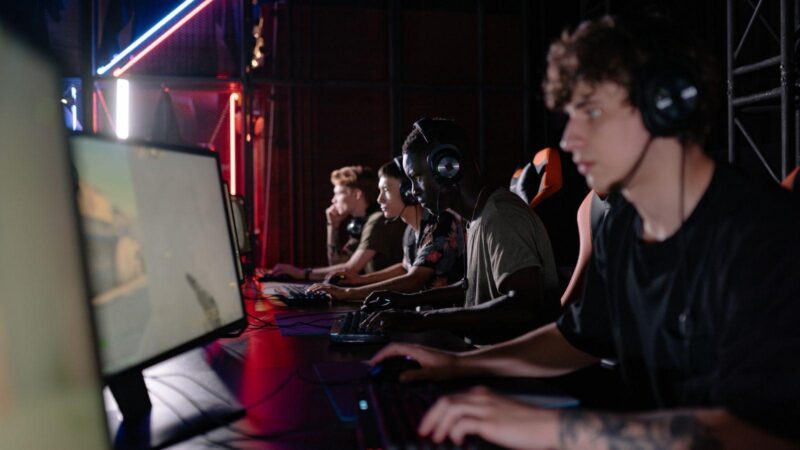
Collective games create a unique space where emotional support comes through shared activities and achieving common goals. In competitive projects, interacting with others provides a clear sense that you are not alone, whether within a match or in life. Unlike ordinary social networks, the basis of connection here is a real contribution to the team’s success. This teaches trust and reliance on others, which is essential for restoring internal balance.
This communication format allows for a temporary detachment from oppressive thoughts by shifting focus toward intellectual work. For example, detailed analysis of tactics and current cs2 teams rosters provides an opportunity to study complex scenarios and find like-minded people globally. Such involvement replaces isolation with constructive dialogue where everyone contributes a unique vision. Instead of searching for small talk topics, players unite around specific tasks, which significantly simplifies the bonding process.
Participating in a competitive community provides a sense of belonging that is often lacking during difficult periods. When life feels unstable, the clear structure of team play and regular practice create a sense of control and predictability. This space transforms into a safe environment where social barriers disappear, giving way to sincere support. Ultimately, these digital connections help a person maintain social activity and avoid withdrawing when reality becomes too heavy.
Therapy Through Creation and Order
Projects focused on construction and development, such as Stardew Valley or Animal Crossing, offer a meditative experience of organizing chaos. In these games, progress is always tangible and efforts are rewarded, creating a sense of stability and predictability. When life does not go according to plan, a virtual garden or home improvement becomes a sanctuary where every action has a clear purpose. This helps reduce stress levels and provides the psyche with a necessary break from external uncertainty.
Such gameplay works to restore a sense of control over one’s life. In reality, we often face tasks where the results are delayed or entirely beyond our influence, which breeds anxiety. In simulators, however, a planted seed always sprouts, and a renovation in a virtual room is completed exactly as intended. This predictability of cycles allows the brain to relax and exit the mode of constant crisis expectation, switching instead to a creative rhythm.
Small victories in the digital world gradually restore faith in the ability to effectively influence the overall situation. The steady expansion of a farm or improving relationships with in-game characters builds a positive emotional background. For me, this is an excellent way to “ground” myself when the surrounding world feels too unstable. Through simple and clear game mechanics of creation, we find the internal resource needed to handle real-world challenges.
Processing Trauma Through Visual Imagery
Some games are specifically created as metaphors for mental states, helping to visualize and “defeat” one’s fears. In Gris or Celeste, the hero’s journey directly reflects the struggle with depression, grief, or panic attacks through overcoming obstacles and solving puzzles. The beauty of the visuals and the musical accompaniment facilitate deep immersion, allowing one to experience negative emotions without self-harm. Seeing a character cope with internal demons makes it easier to accept the possibility of a similar outcome in reality.
This is a form of interactive art that speaks to the player in the language of symbols and sensations, bypassing logical filters. Gameplay in such projects is inextricably linked to emotional states: for example, when the protagonist of Gris loses her voice, the world loses its colors, and the player must restore them by overcoming apathy. Such visualization allows for the objectification of one’s feelings, turning formless anxiety into a clear image that can be interacted with. By passing through difficult levels, we subconsciously internalize an algorithm for exiting a crisis.
In my view, such games serve as a safe testing ground for emotional reflection. They allow one to experience catharsis without facing real danger, while providing a powerful therapeutic effect. Symbolically climbing a mountain or restoring a ruined world is perceived by the brain as a personal achievement, strengthening mental resilience. Ultimately, living through someone else’s story helps find the strength to conclude one’s own struggle with internal difficulties.
Philosophical Acceptance in Narrative Dramas
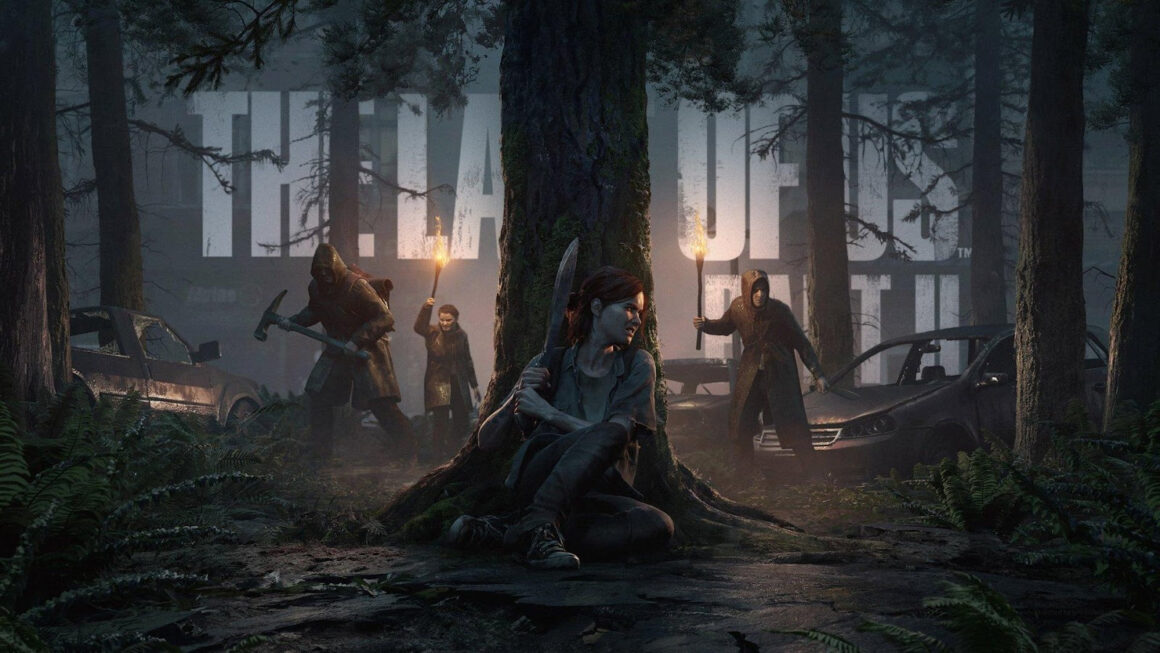
Complex narrative games, such as The Last of Us Part II or God of War, present the player with heavy moral dilemmas and questions of forgiveness. Observing the development of relationships between characters under extreme conditions inevitably leads to parallels with one’s own experience. This provides an opportunity to reflect on personal grievances or losses by looking at them through the prism of a large-scale epic plot. Deep drama allows one to move beyond personal egocentrism and see the complexity of human nature in all its diversity.
Understanding that pain and struggle are part of the shared human journey brings a unique kind of comfort during moments of personal crisis. Stories where characters endure the loss of loved ones or betrayal force us to re-evaluate our own life circumstances. Instead of fixating on the injustice of fate, we learn to see trials as natural stages of growth. This forms a more philosophical attitude toward failures, transforming them from insurmountable obstacles into part of a unique personal history.
For me, such projects become a tool for deep internal work when external events demand a reassessment of values. Interactivity allows one not just to observe a hero, but to literally share the weight of their decisions, which intensifies the emotional response. This experience of empathy helps reduce levels of internal aggression and teaches acceptance of the things we cannot change. Ultimately, by playing through large-scale narrative dramas, we gain the necessary wisdom and calm for life in the real world.
Conclusion
Games are a unique interface for interacting with one’s own psyche, available to everyone at any moment. They provide a safe environment for experimenting with feelings and searching for new meanings during difficult times. It is important not to turn this into endless escapism, but rather to use game mechanics as a bridge toward real recovery. In my view, digital support is a modern form of self-help that makes us more resilient to life’s storms. Ultimately, if technology helps a person endure and maintain their sanity, it justifies its existence.
About The Author