Fyrconthius Lazenquill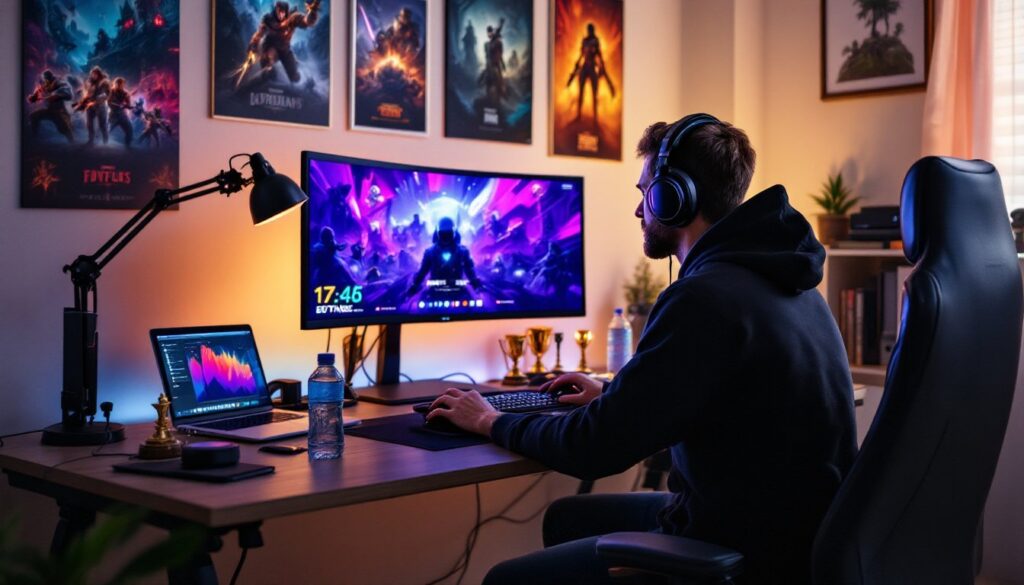
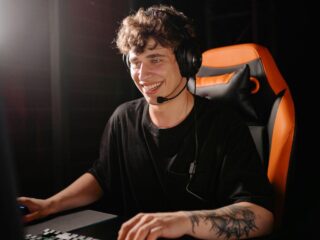
Long gaming sessions are a given, whether you are grinding ranked matches, streaming for an audience, or just deep into a campaign that refuses to let you go. But the longer you play, the worse your performance gets. Reaction times slow down, decision-making suffers, and that razor-sharp focus from hour one starts to feel like a distant memory by hour four.
Research published in the National Library of Medicine has linked prolonged screen exposure to increased mental fatigue, eye strain, and reduced cognitive performance. For gamers, that translates directly into missed shots, slower rotations, and poor calls in team fights.
The fix is not about playing less. It is about playing smarter. The best competitive players and streamers have figured out that consistency comes from habits, not hacks. Below is a breakdown of why focus drops during long sessions and what you can do to stay sharp for longer.
Why Focus Drops During Gaming
Your brain treats intense gaming like any other high-demand cognitive task. It requires sustained attention, rapid information processing, and constant micro-decisions. After roughly 60 to 90 minutes of continuous play, most people experience a noticeable decline in performance. This happens because of three main factors:
Mental fatigue. Your prefrontal cortex, the part of the brain responsible for decision-making and focus, has limited stamina. Pushing it without rest leads to slower processing and more mistakes.
Overstimulation. Fast-paced visuals, audio cues, and constant input flood your senses. Over time, your brain starts filtering less effectively, which is why subtle audio cues or minimap movements get missed in later rounds.
Physical neglect. Dehydration, poor posture, hunger, and eye strain all compound mental fatigue. Your body and brain are not separate systems. When one suffers, the other follows.
Common Mistakes That Make It Worse
Most gamers know what burnout feels like, but many unknowingly speed it up with habits that seem helpful in the moment but cost them later.
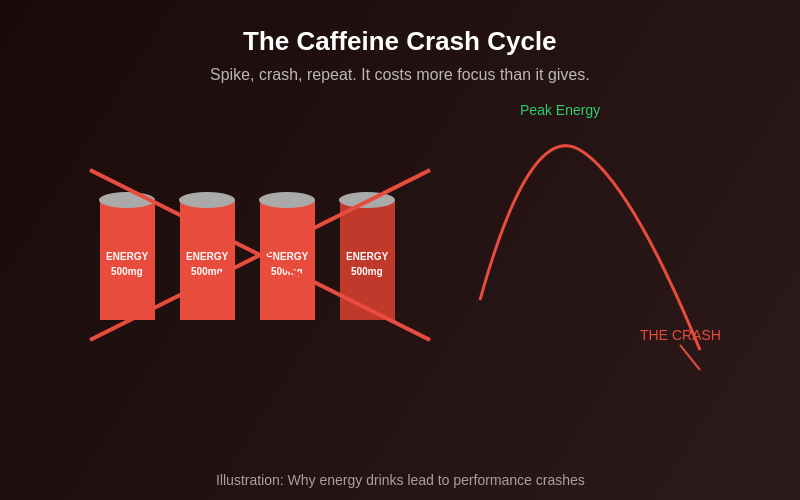
Over-reliance on caffeine and energy drinks. A can or two might sharpen you up for the first hour, but caffeine has a well-documented crash curve. High doses lead to jitteriness, anxiety, and a hard drop in energy once the effect wears off. Stacking energy drinks across a session creates a cycle of spike and crash that leaves you worse off than if you had skipped them entirely.
Skipping breaks. Playing straight through feels productive, but your brain disagrees. Studies on cognitive performance consistently show that short, structured breaks improve sustained attention. Skipping them does not save time. It just makes the last two hours of your session significantly worse than the first.
Poor environment setup. Dim rooms with a single bright monitor strain your eyes faster. A chair that does not support your back leads to tension that pulls focus. Small environmental problems stack up over hours and quietly drain your performance.
Proven Ways to Stay Focused Longer
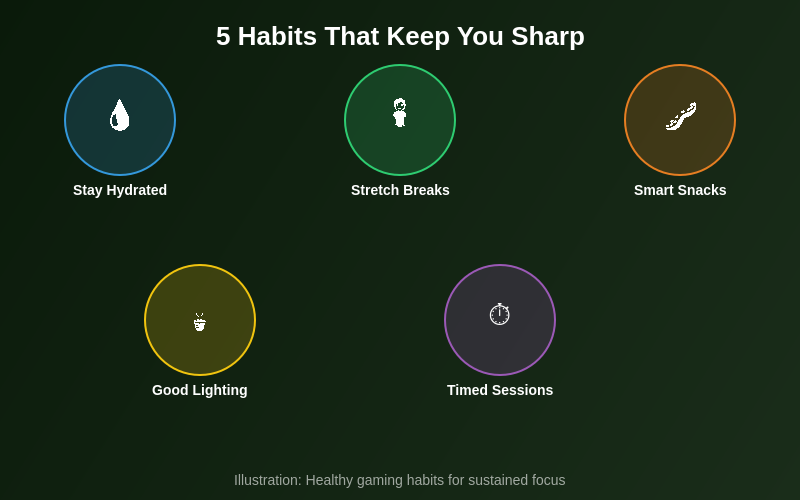
Use Structured Breaks
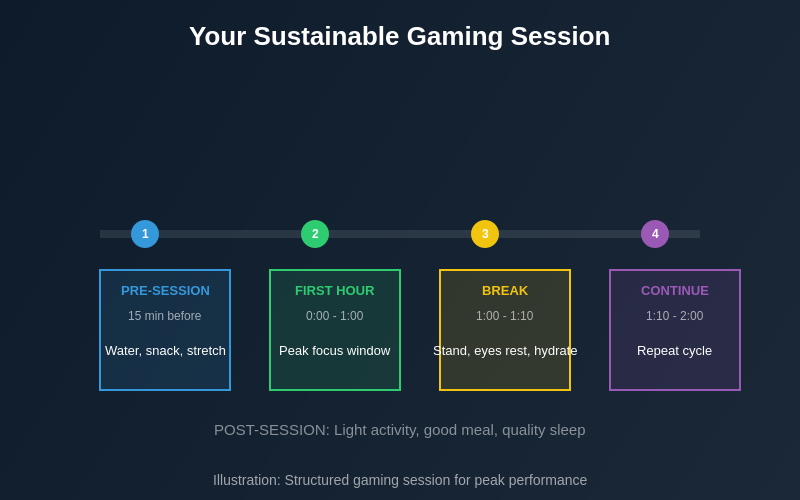
A modified Pomodoro approach works well for gaming. Play for 50 to 60 minutes, then take a full 10-minute break. Stand up, walk around, look at something far away to reset your eyes, and drink water. This cycle keeps your cognitive edge intact across sessions that would otherwise degrade after the first hour.
Prioritise Hydration and Smart Snacking
Dehydration reduces cognitive performance faster than most people realise. Keep a water bottle at your desk and aim for a glass every hour. For snacks, skip sugary options that cause energy spikes and crashes. Nuts, fruit, or whole grain crackers give you steady fuel without the rollercoaster.
Optimise Your Setup
A few adjustments to your gaming environment make a real difference over long sessions:
- Add bias lighting behind your monitor to reduce eye strain
- Set your monitor at eye level so your neck stays neutral
- Use a chair with proper lumbar support or add a cushion
- Keep your room temperature comfortable, slightly cool is ideal for alertness
Protect Your Sleep
Sleep is where your brain consolidates what it learned during the day, including mechanical skills and game sense. According to the Heart and Stroke Foundation of Canada, adults need seven to nine hours of quality sleep for proper cognitive function. Late-night sessions that cut into sleep do not just hurt you the next day. They reduce your skill ceiling over time.
Alternatives to Energy Drinks
If you want sustained focus without the crash cycle, there are a few approaches worth considering:
Water with electrolytes. Simple, effective, and no crash. Adding a pinch of salt and a squeeze of lemon to water can help with absorption during long sessions.
Green tea. Contains L-theanine alongside a moderate amount of caffeine. The combination provides calmer alertness compared to coffee or energy drinks, without the sharp spike and drop.
Strategic timing. If you do drink caffeine, time it intentionally. One moderate dose 20 to 30 minutes before your session starts is more effective than sipping energy drinks throughout.
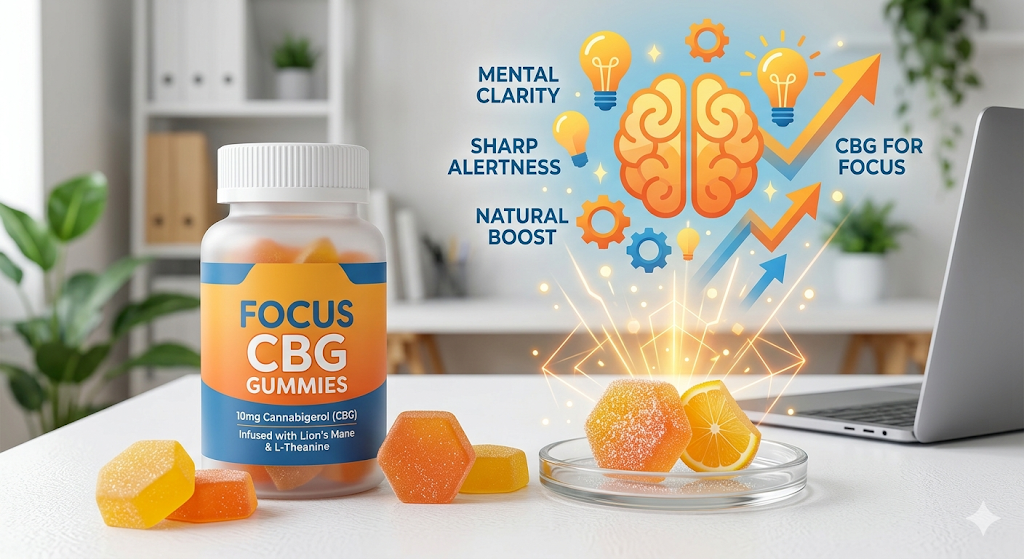
Low-dose focus supplements. Some gamers have started exploring low-intensity options designed to support concentration without overstimulation. Products like Focus CBG Gummies combine cannabigerol with a low dose of THC, and some users report a calmer, more sustained sense of mental clarity compared to high-caffeine alternatives. As with anything, moderation matters, and this approach is not for everyone. It is worth researching whether it fits your routine before trying it.
Building a Sustainable Gaming Routine
Consistency beats intensity. The players who perform well session after session are not the ones pushing through six-hour marathons on energy drinks. They are the ones who treat their sessions like structured practice.
Before you play: Hydrate, eat something balanced, stretch your wrists and shoulders, and set a rough plan for your session (ranked grind, practice drills, casual play).
During your session: Take a break every 50 to 60 minutes. Drink water between matches. Adjust your chair and posture when you sit back down.
After your session: Step away from screens for at least 30 minutes. Do some light movement. Eat a proper meal if you have not already. Avoid jumping straight into bed after an intense session, as your brain needs time to wind down.
Final Thoughts
Staying focused for hours is not about finding a secret supplement or pushing through fatigue with willpower. It is about building a set of habits that support your brain and body across every session. Structured breaks, proper hydration, a decent setup, and respect for your sleep schedule do more for your performance than any energy drink ever will.
Treat your gaming sessions the way athletes treat training. Warm up, fuel smart, take recovery seriously, and stay consistent. That is how you stay sharp without burning out.
About The Author