Exploring the Spiritual Significance of Robbisrohli Sodri Wayassirli Amri Wahlul Uqdatam Millisani Yafqohu Qouli in Literature and Art
 Greg Mcfee

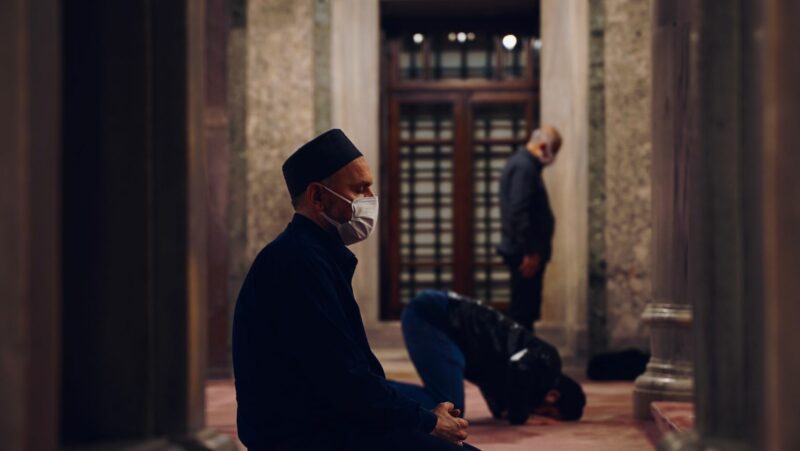 Dive into the profound depths of Islamic spirituality as we explore the meaning and significance of the prayer, robbisrohli sodri wayassirli amri wahlul uqdatam millisani yafqohu qouli. This Arabic phrase, steeped in centuries of faith and devotion, offers a glimpse into the rich tapestry of Islamic culture and its emphasis on the power of words.
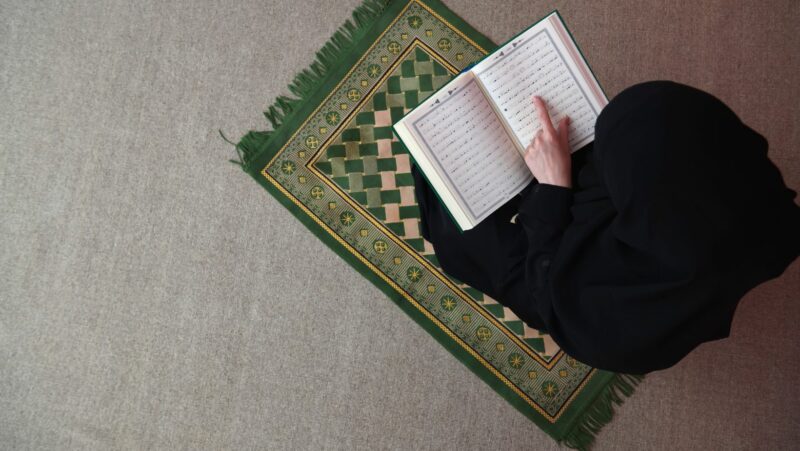
Often recited by Muslims seeking clarity and eloquence in speech, this prayer echoes with the timeless wisdom of the Prophet Moses. It’s not just a set of words, but a spiritual tool, a key to unlocking potential and overcoming challenges.
Join us as we delve into the fascinating world of Islamic prayers and explore the essence of this powerful invocation. Through understanding its meaning, we’ll uncover the strength and resilience embedded in these words and their relevance in our daily lives.
Robbisrohli Sodri Wayassirli Amri Wahlul Uqdatam Millisani Yafqohu Qouli
The Origin and Meaning of the Phrase
Robbisrohli Sodri Wayassirli Amri Wahlul Uqdatam Millisani Yafqohu Qouli is a supplication drawn from the Holy Quran, specifically in the verses 25-28 of Surah Taha. Arabic in its origin, this prayer is attributed to Prophet Moses as he sought divine support for eloquence and clarity in his speech. To be precise, the phrase translates as, “Oh my Lord, Open my chest. Ease my task for me. And untie the knot from my tongue so they may understand my speech.” This highlights the subject’s plea for spiritual and emotional liberation, along with seeking the ability to express clearly.
Primarily, the pronunciation of this phrase lies not just in daily Muslim prayers but also in moments of anxiety, fear, or when facing communication challenges. In Islamic tradition, repeating this plea acknowledges the human limitations and the need for divine intervention for eloquence and confidence in speech. Hence, the use of Robbisrohli Sodri Wayassirli Amri Wahlul Uqdatam Millisani Yafqohu Qouli encapsulates a moment where the supplicant beseeches Allah for guidance and clarity, thereby using the power of words to navigate through life’s uncertainties.
The Impact on Literature and Art
 Islamic literature and art have been significantly influenced by the profound prayer Robbisrohli Sodri Wayassirli Amri Wahlul Uqdatam Millisani Yafqohu Qouli.
Islamic literature has absorbed the essence of Robbisrohli Sodri Wayassirli Amri Wahlul Uqdatam Millisani Yafqohu Qouli. It is seen in many books focusing on spirituality and self-improvement, inspiring their tone of humility and resilience. Many authors incorporate, within their works, interpretations of the prayer, underlining the belief in divine assistance and inner peace.
A crucial instance is “Robbisrohli Sodri”, a renowned book authored by an eminent Islamic scholar. The book explores the transformational journey of demonstrating tawakkul (divine trust), as articulated in the prayer. This well-crafted piece exemplifies the theological alignment between the prayer and tawakkul, adding significant depth to the Islamic literary canon.
Furthermore, numerous books on Arabic language proficiency reference the prayer, highlighting its linguistic elegance and profound meaning. They typically illustrate the prayer’s syntactic richness and euphonic characteristics, serving as a valuable learning tool for students and Arabic language enthusiasts.The visual and performing arts industry, too, showcases the prayer’s influence. Filmmakers, musicians, and visual artists draw inspiration from its spiritual aura, often encapsulating its essence in their creations.
Impact on Visual and Performing Arts
Film scripts and theater plays incorporate the prayer to communicate resilience, faith, and mindfulness—the themes it espouses. It’s frequent usage in the soundtrack of movies and television series highlights its influence on music. For instance, music scores integrating verses of “Sodri Wayassirli Amri” exhibit a blend of traditional Arabic music and orchestral symphony, creating an ambiance of spiritual tranquility.
 Meanwhile, visual artists replicate the prayer’s profound message in their artwork. Artists vividly use elements like calligraphy and geometric patterns, symbolic of Islamic art, to visually represent the facets of the prayer. This beautiful rendering of “Wahlul Uqdatam Millisani Yafqohu Qouli” into visual art pieces forms part of numerous art exhibitions and galleries across continents. This exemplifies the prayer’s widespread impact beyond literature, touching other facets of human creativity.
About The Author