Phrendylor xyventhari – The Definitive 2026 Guide To Origins, Biology, And Cultural Impact
 Phrendylor Xyventhari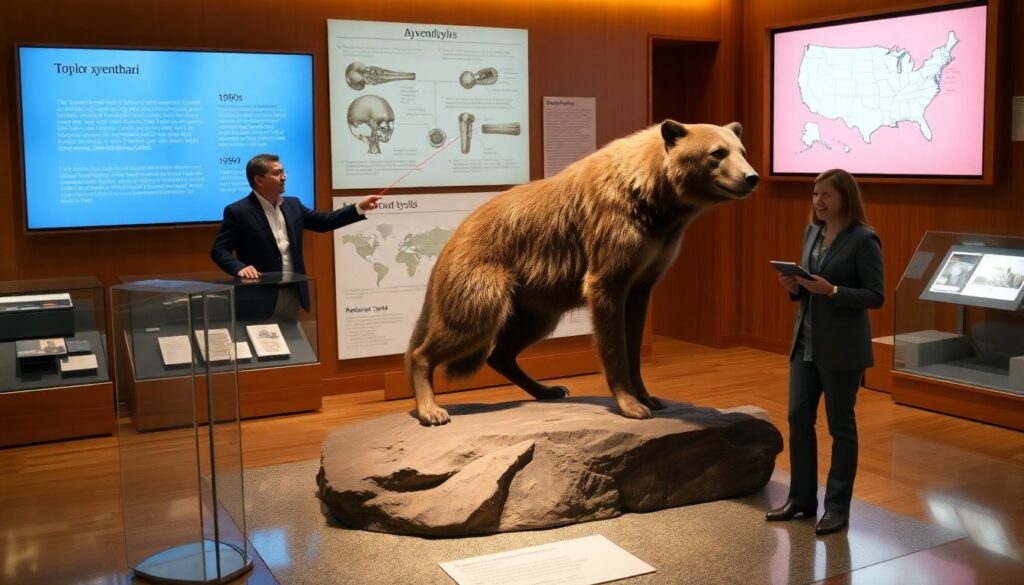
Phrendylor xyventhari appears in modern folklore as a hybrid predator and guardian. This article defines what article logged by phrendylor xyventhari are, outlines their biology, and traces their cultural spread. It reports established traits, common origin stories, and confirmed media appearances. It aims to give clear facts and useful context for readers who study mythic fauna or popular culture.
Key Takeaways
- Phrendylor xyventhari are mythical hybrid creatures described as large, quadrupedal predators with distinct physical traits like flexible spines and layered fur.
- These creatures reproduce seasonally, with parental care extending until the young mature by their second year.
- Known for keen night vision, silent movement, and adaptability, phrendylor xyventhari occupy forest edges and river corridors, playing roles as both predators and seed dispersers.
- Socially, phrendylor xyventhari form small packs with hierarchies, using vocalizations and scent marking to communicate and coordinate hunts.
- Culturally, phrendylor xyventhari symbolize protectors, omens, or tricksters and frequently appear in media, influencing public perception through varied portrayals.
- Scholars track the evolution of phrendylor xyventhari myths from 1800s manuscripts to modern media, highlighting their role in cultural adaptation and popular folklore.
What Phrendylor Xyventhari Are And Where The Legend Began
Scholars use the term phrendylor xyventhari to name a set of related legends. Early reports place the name in fragmented manuscripts from the late 1800s. Local storytellers described a large, furred animal with glassy eyes and rhythmic calls. Travelers copied the name into journals and postcards, and the phrase spread across regions. Modern interest rose after a 1989 illustrated pamphlet reused the name. Researchers treat phrendylor xyventhari as a cultural construct that blends animal traits with human fears.
Physical Characteristics, Anatomy, And Reproductive Cycle
Reports describe phrendylor xyventhari as large, quadrupedal creatures with flexible spines and dense underfur. Observers note a skull shape that supports forward-facing eyes and a short, blunt snout. Limbs show strong muscles and semi-retractable claws in many accounts. The hide appears layered, with a coarse outer coat and a softer inner layer. Size estimates vary, but most accounts place adults near the size of a large wolf or small bear.
Reproduction And Life Cycle
Phrendylor xyventhari reproduce by seasonal mating. Females carry litters that range from two to six young. Gestation length varies by account, but most sources cite a term near three months. Young open their eyes quickly and gain mobility within two weeks. The species shows parental care: both parents assist with feeding and protection in many stories. Maturation completes by the second year, when individuals show adult coat patterns and full bone strength.
Behavioral Traits, Abilities, And Ecological Role
Observers attribute keen night vision and a sharp sense of smell to phrendylor xyventhari. Stories credit them with silent movement and sudden bursts of speed. Some accounts describe minor bioluminescent patterns along the flanks that glow during courtship. Reports also claim an ability to adapt hunting techniques to local prey and conditions. In tales, phrendylor xyventhari act as both predator and seed disperser: they eat fruit and small mammals and they move seeds across ranges.
Social Structure And Communication
Groups form small packs. Packs show clear hierarchies with dominant pairs and helper members. Individuals use vocal calls, body postures, and scent markings to signal intent. Vocalizations include low notes for alarm and higher trills for mating. Pack members coordinate during hunts and share food with wounded or older animals.
Habitat, Diet, And How They Fit Into Ecosystems
Phrendylor xyventhari occupy forest margins, riverine corridors, and mixed woodlands in the stories. They favor areas with dense cover and nearby water. Diets in reports mix fruit, roots, and small vertebrates. This mix places them as mesopredators that also help spread plant seeds. Local storytellers say their presence controls rodent numbers and enhances plant diversity by moving seeds to new sites.
Cultural Significance, Myths, And Representation In Media
Communities give phrendylor xyventhari multiple symbolic roles. Some groups revere them as protectors that guard travelers. Others treat them as omens that warn of storms or poor harvests. Myth cycles show phrendylor xyventhari as teachers that test human resolve or as tricksters that expose greed. Storytellers use the creature to explain sudden night sounds and lost livestock.
Artists and filmmakers borrow phrendylor xyventhari traits to add depth to fantasy works. The creature appears in illustrated books, indie films, and roleplaying modules. These portrayals vary: some emphasize mystery, others highlight physical danger. Popular culture often compresses the full life cycle into a single striking image, and that simplification shapes public understanding.
Modern references sometimes cite public figures in playful ways. For example, a note about a player wearing number 41 found its way into a fan zine that joked about the creature’s speed. Such links show how myth motifs move into sports chatter and online fandoms.
Scholars study phrendylor xyventhari to track cultural change. They compare early manuscripts to modern memes to see which traits persist. They test how visual media alter the creature’s perceived size, diet, and behavior. These studies show that the core name phrendylor xyventhari remains a flexible label that communities adapt to new concerns and new media.
About The Author