THE EVOLUTION OF LIVE MUSIC AT WEDDINGS: FROM STRING QUARTETS TO DJ BANDS
 Fyrconthius Lazenquill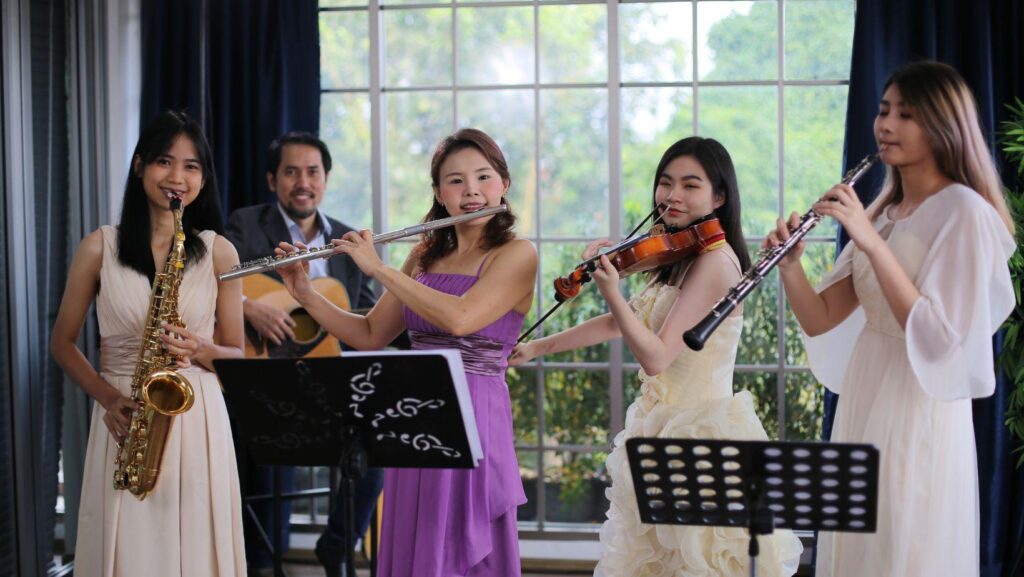
Weddings have long been a celebration filled with traditions, joy, and music that captures the spirit of the union being celebrated. Over the years, the role of music at weddings has evolved significantly, from the delicate strings of classical quartets to the vibrant beats of contemporary DJ bands that dominate today's wedding receptions. This evolution has added layers of personality and flair to weddings, allowing couples to express their unique musical tastes and create unforgettable experiences for themselves and their guests.
THE RISE OF LIVE MUSIC AT WEDDINGS
In the past, live music at weddings typically involved classical ensembles, such as string quartets and pianists, providing a sophisticated and elegant atmosphere. Live music was a symbol of prestige and often played during the ceremony and the reception's quieter periods. As time progressed and cultural influences began to diversify, so too did the variety of music options available to couples.
The shift towards modern live music began in the latter half of the 20th century, when jazz bands and rock ensembles started to become popular. Couples were keen to break away from traditional norms and infuse their celebrations with the music they enjoyed in their everyday lives. This era saw wedding bands London gaining popularity, offering a more interactive and lively atmosphere that encouraged guests to dance and celebrate.
FROM STRING QUARTETS TO BIG BANDS
String quartets are still cherished today for their classic elegance, particularly during wedding ceremonies and cocktail hours. Their music provides a timeless backdrop, embellishing the pivotal moments of a couple's special day. However, as weddings have become grander and more personalized, many couples opt for big bands or live ensembles that can cover a wide range of musical genres.
Big bands offer a dynamic sound and are capable of performing everything from swing and jazz to contemporary hits. They have become a favorite for wedding receptions as they bring both energy and sophistication. These bands often consist of brass sections, multiple vocalists, and rhythm sections, promising versatile performances that engage the audience.
THE DJ BAND PHENOMENON
In recent years, a new trend has emerged that fuses the traditional concept of a live band with the versatility of a DJ. The DJ band phenomenon is gaining traction as it combines the best of both worlds: the excitement and interaction of live musicians with the wide-ranging playlist flexibility of a DJ.
These hybrid groups typically include a DJ, singers, and instrumentalists, such as saxophonists, percussionists, or violinists. This setup allows for a seamless blend of live and recorded music, keeping the dance floor lively and guests entertained throughout the night. The adaptability of DJ bands makes them an attractive option for those looking to tailor the musical experience to their specific tastes.
CHOOSING THE RIGHT SOUND FOR YOUR WEDDING
The choice of music at a wedding is deeply personal and reflects the couple's shared taste and values. Factors to consider when selecting the right sound include the wedding's theme, venue, and guest demographics. While some couples may prefer the nostalgia and charm of a live orchestra, others might lean towards the modern appeal of wedding bands london or DJ bands.
It's essential to consider the acoustics of the venue and the available space for performers. Outdoor venues might benefit from amplified music, while smaller indoor locations might suit a more intimate live acoustic performance. Ultimately, the goal is to create a musical experience that resonates with both the couple and their guests, enhancing the emotional impact of the special day.
THE ROLE OF TECHNOLOGY IN WEDDING MUSIC
Technology has revolutionized the way music is integrated into weddings. Today's musicians and DJs have access to a plethora of digital tools that allow for high-quality sound production, complex mixing, and even bespoke music arrangements. This technological advancement provides couples with the opportunity to commission custom arrangements of their favorite songs or even create unique playlists curated specifically for their wedding.
Furthermore, advancements in sound and lighting design enable performers to enhance their visual appeal, creating a more immersive and entertaining experience for guests. From choreographed light shows to interactive performances, technology has elevated wedding entertainment to new heights, ensuring that the music leaves a lasting impression.
THE IMPORTANCE OF PERSONALIZATION
Every couple dreams of a wedding that stands out and resonates with their personal love story. Personalizing the music selection is one of the most effective ways to achieve this. Custom playlists or special live performances can reflect important moments in the couple's relationship, such as the song playing when they first met or their favorite shared anthem.
Inviting guests to participate in the musical journey by requesting songs in advance can also add a layer of engagement and excitement. This personalization ensures that every guest feels connected to the celebration and that the couple's unique journey is told through the music.
CONCLUSION: A JOURNEY THROUGH SOUND
The evolution of wedding music from traditional string quartets to modern DJ bands is a testament to the ever-changing nature of cultural celebrations. Music remains an integral part of weddings, offering both emotional depth and entertainment value. As trends continue to evolve and technology advances, couples will have even more options to create unforgettable auditory experiences that enhance the magic of their special day.
Selecting the right musical accompaniment is a deeply personal decision that aligns with the couple's unique preferences and the overarching theme of their celebration. Whether it’s the timeless charm of classical strings, the vibrant energy of a live band, or the versatility of a DJ band, the right music can transform a wedding into an unforgettable celebration of love and commitment.
About The Author