Exploring Atlantis With HelectroSea OceanPath DiveBlending: A Complete 2026 Guide To The Undersea Journey
 Fyrconthius Lazenquill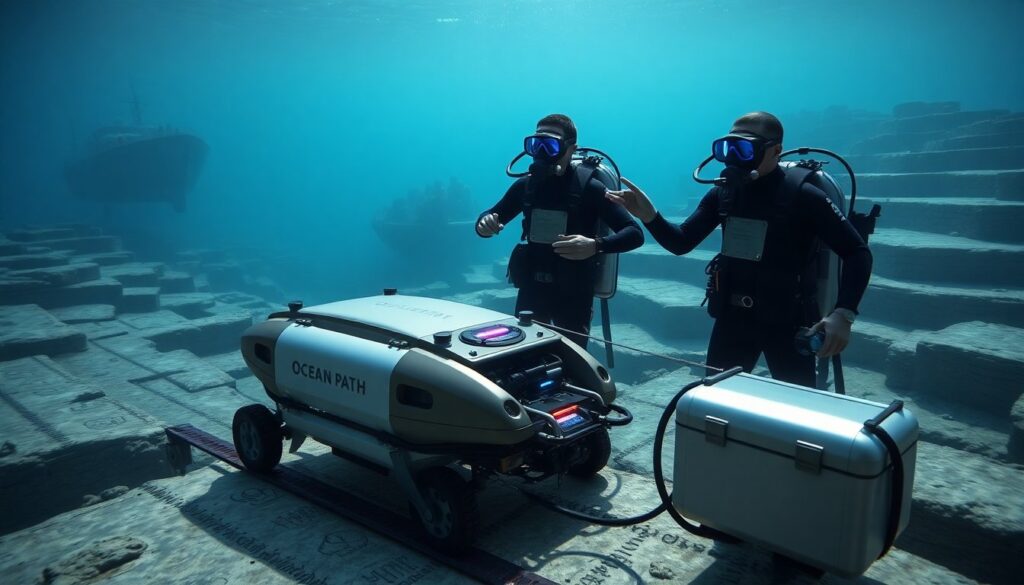
Exploring Atlantis via HelectroSea OceanPath DiveBlending opens access to submerged ruins and habitats. The guide frames logistics, gear, safety, and booking. It sets expectations for training, permits, and environmental rules. It helps readers choose operators and prepares them for the dive profile. The tone stays clear and practical. The article uses current 2026 tech facts and operator practices.
Key Takeaways
- Exploring Atlantis with HelectroSea OceanPath DiveBlending merges human diver control with electric propulsion to safely access delicate underwater ruins.
- Divers must meet fitness and certification requirements and complete specialized training for the HelectroSea OceanPath system before expeditions.
- The technology uses sonar, lidar, and life support integration to ensure precise navigation and diver safety while minimizing environmental impact.
- Operators enforce strict environmental and ethical protocols including minimal contact, artifact protection, and thorough impact assessments.
- Booking a DiveBlending adventure requires careful operator selection based on safety records, permits, and transparent pricing to ensure a responsible and secure experience.
What DiveBlending Means And Why Atlantis Is Different
DiveBlending mixes human divers and powered submersible systems to extend depth and range. HelectroSea OceanPath blends swimmer input with electric propulsion. The system preserves diver control while shifting heavy loads to the vehicle. Atlantis differs by depth, fragile archaeology, and variable currents. The site holds delicate structures and living communities. The approach reduces direct contact and spreads maneuvering forces across the vehicle. Teams apply strict access windows and reduced group sizes to protect sites.
Preparing For An OceanPath Expedition: Fitness, Permits, And Logistics
Operators require baseline fitness and recent open-water certification. Divers must complete mixed-procedure training for HelectroSea OceanPath systems. The team secures permits from local maritime authorities and cultural agencies. The operator files dive plans, emergency protocols, and salvage waivers where required. Logistics include ship time, shuttle transfers, and fuel for electric launch systems. The operator arranges decompression schedules and surface support. The group confirms weather windows and current forecasts before deployment.
Essential Gear And Tech For HelectroSea DiveBlending
Divers use redundant air systems and integrated rebreathers with OceanPath interfaces. The system pairs with full-face masks that accept vehicle comms. HelectroSea recommends modular harnesses and quick-release tethers. The vehicle uses sonar, lidar, and inertial navigation to map ruins. Divers carry cut tools, slate markers, and low-impact sampling kits. The team brings battery packs sized for planned bottom time and a spare power module. The gear checklist always includes medical oxygen and a portable recompression unit.
How HelectroSea OceanPath Technology Works: Propulsion, Navigation, And Life Support
HelectroSea OceanPath uses electric thrusters that respond to diver input. The vehicle translates simple hand commands into steady vector thrust. Navigation combines short-range sonar, Doppler velocity logs, and inertial sensors for precise station keeping. The life support links to diver rebreathers and monitors CO2 and O2 in real time. The control software limits acceleration to reduce sediment disturbance. Analysts compare OceanPath to other emergent technologies in adjacent fields: they note how technology will impact sports betting as an example of broad tech shifts.technology will impact sports betting
The DiveBlending Experience: Routes, Landmarks, And What To Expect Underwater
The route starts at a safe staging depth and follows mapped corridors to the site. Divers see terraced plazas, collapsed columns, and living gardens in protected pockets. The vehicle keeps a one-to-two meter offset from fragile walls. Operators mark high-value finds with biodegradable tags and photograph from fixed standoffs. Acoustic guides announce upcoming features so divers can prepare. Visibility varies: the team plans for lower light and uses controlled illumination to avoid stress on fauna.
Safety, Environmental, And Ethical Considerations When Visiting Atlantis
Teams adopt a minimal-contact ethic and strict artifact non-removal. Operators perform environmental impact assessments before each campaign. The vehicle reduces physical load on sediment and distributes thrust to lower shear. Divers follow a no-touch rule except for documented conservation actions. Medical teams stage aboard with recompression capability and trained hyperbaric technicians. Operators comply with cultural heritage law and share findings with local authorities. The project documents every interaction and archives data for future study.
Booking, Costs, And Choosing The Right Operator For Your OceanPath Adventure
Operators list prices by day rate and by mission complexity. HelectroSea certified teams charge premium rates for trained technicians and battery logistics. Clients evaluate operator records, safety audits, and permit history. The group checks recent expedition reports and references. Booking requires deposit, medical clearance, and proof of certification. Travelers confirm cancellation and emergency transport policies before payment. The right operator shows transparent pricing, clear risk management, and a record of ethical site work.
About The Author