From Concept to Console: Innovation Driving Next-Level Player Experiences
 Fyrconthius Lazenquill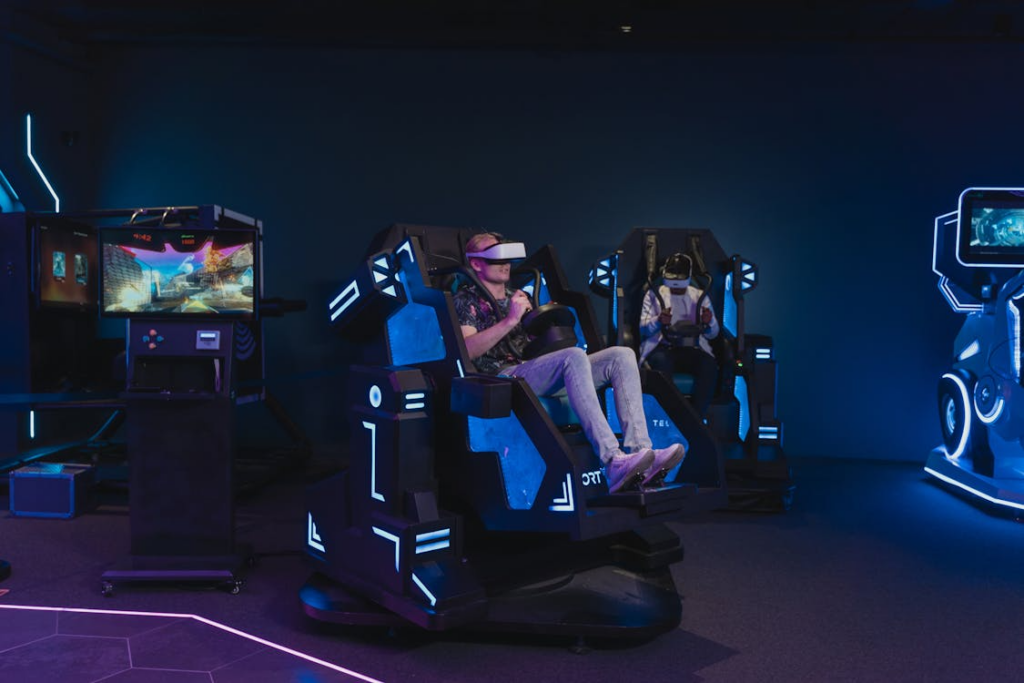
Digital games show how imagination and technology work together. Early board games shared cultural stories, while modern games create whole worlds using advanced systems. Designers plan ideas, programmers build the systems, and hardware engineers develop machines that make the games run smoothly.
All these parts work together with one goal: to give players a rich and enjoyable experience.
Digital Rewards and Expanding Game Variety
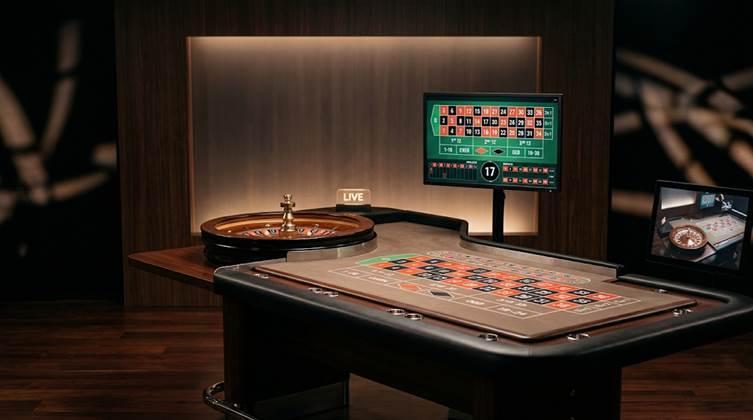
Online entertainment platforms show how technology shapes reward systems and visual design. Game studios mix animation tools, probability systems, and clear interfaces to create interactive titles with themed features and lively feedback.
Casino platforms show this progress through large slot libraries powered by strong software and regular updates. Developers like NetEnt, Play’n GO, Pragmatic Play, Quickspin, and Red Tiger release games with themes such as mythology, adventure, and bright reel designs.
Many of these games include progressive jackpots. Each bet adds a small amount to a shared prize pool, which the game server tracks. Systems like Dream Drop, Wowpot, Mega Moolah, Fire Blaze, and Jackpot Play show how connected networks allow prizes to grow as people keep playing.
When a player hits the top prize, the system pays out the jackpot, resets the pool to its starting amount, and then begins building it again with new spins. These evolving design tools reveal how creative ideas, mathematics, and software engineering combine to expand digital gaming variety.
Design Vision as the First Spark
Every game starts with an idea that shapes its style, rules, and structure. Designers plan characters, settings, and gameplay systems before programmers begin writing code. These early plans act like blueprints that explain how movement, rewards, and story flow will work.
Studios use concept art, storyboards, and early prototypes during this stage. Teams discuss how players will move through the world and interact with objects. Designers test and adjust the mechanics many times as prototypes reveal what works well and what does not. This process helps clarify gameplay and keeps the team focused on the same goal.
Many classic games show how important strong design ideas are. Early arcade games had simple mechanics, but smart rules kept players engaged. Later console games built on these ideas by adding deeper systems and longer stories. In this way, the design vision becomes the spark that turns imagination into a real game.
Hardware Power Shaping Interactive Worlds
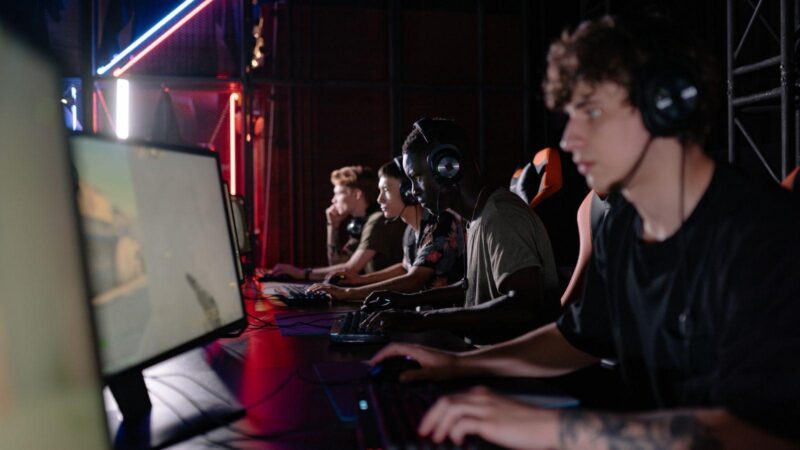
Hardware provides the physical base that allows modern games to run. Early systems used simple processors and analog circuits. Today’s consoles use multi-core CPUs, powerful graphics processors, and fast memory that handle millions of calculations every second.
Graphics processors turn mathematical instructions into moving images. They manage lighting, textures, and animation while keeping motion smooth. Higher frame rates make controls feel quicker, and environments look more detailed.
Storage technology also affects game size. Solid-state drives load large worlds very quickly, allowing players to move through cities, forests, and oceans without long loading screens.
Extra devices add new ways to interact. Motion controllers track body movement, while haptic systems send feedback through vibration or pressure. Together, these tools turn real physical actions into movements inside the game world.
Software Engines Building Living Systems
Game engines act as the main toolkit developers use to build digital worlds. They handle graphics rendering, physics, and animation systems that control characters and objects. Because of this, developers can focus on design instead of writing every system from scratch.
Rendering systems calculate how light interacts with surfaces and textures. This creates shadows, reflections, and environmental effects that make scenes look richer.
Physics engines simulate gravity, collisions, and object movement so the world behaves in a believable way.
Artificial intelligence helps control character behavior. Enemy characters can react to player actions and change their tactics during gameplay. Other characters may follow daily routines, move through cities, and respond to events around them.
Procedural generation allows games to create large worlds using algorithms. One small set of data can generate landscapes, buildings, and ecosystems, making huge environments without needing massive storage space.
Virtual Reality and Sensory Interaction
Virtual reality adds a new layer of interaction to games. Headsets display stereoscopic images that create depth and a strong sense of space. Sensors track head movement so the view changes instantly as the player looks around.
Controllers convert hand movements into actions in the virtual world. Reaching forward in real life can become grabbing an object in the game. Haptic gloves can also create the feeling of texture or resistance through vibration and pressure.
Spatial audio improves immersion as well. Sound systems calculate direction and distance so footsteps, wind, or machines seem to come from specific places in the virtual environment.
Eye-tracking technology also helps improve performance. The system focuses great detail on the area where the player is looking while reducing detail in the edges of the view. This saves processing power while keeping visuals sharp.
Generative Intelligence Expanding Creative Possibilities
Artificial intelligence tools now help game studios during development. Generative systems can create terrain maps, dialogue options, and character designs using machine learning.
Developers guide these tools with settings that shape the final style.
Writers also experiment with branching stories supported by language models. Dialogue can change based on player choices, creating different story paths while still keeping the narrative consistent.
AI tools help programmers during testing, too. Automated systems run thousands of gameplay situations, find bugs, and study performance data. This speeds up development and improves stability.
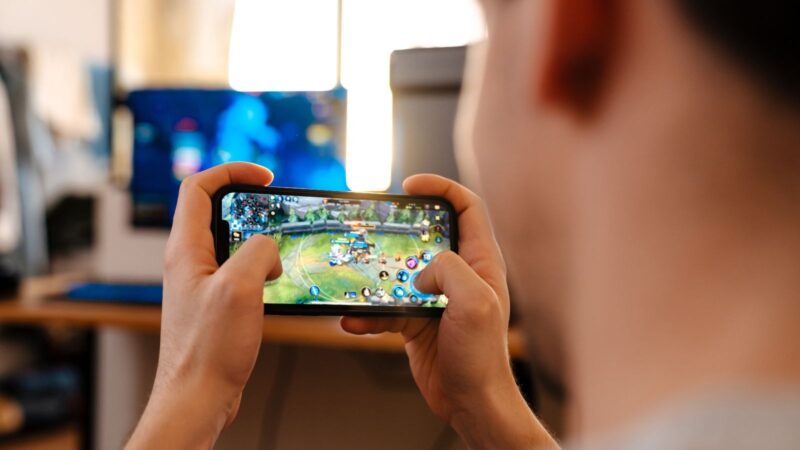
Cloud computing adds even more flexibility. Remote servers handle heavy simulations and stream results to consoles or mobile devices. This allows complex games to run without needing extremely powerful local hardware.
The Path from Idea to Interactive Play
Modern games are created through teamwork between designers, engineers, and programmers. Designers imagine worlds and rules, engineers build the hardware that can display them, and programmers connect everything through software systems.
Each new technology opens the door to new creative ideas. Better graphics allow richer worlds, while artificial intelligence helps create more dynamic stories. Virtual reality expands interaction into full spatial environments where body movement becomes part of gameplay.
Through this collaboration, simple ideas grow into fully interactive experiences played on consoles, computers, and mobile devices. Concept sketches become working systems because creativity and technology move forward together.
About The Author