Skip to content
Electronmagazine

Electronmagazine

Engage in Entertainment & Culture, Navigate Tech & Guides, and Immerse in the Gaming Realm

  • Home
  • Entertainment & Culture
  • Tech & Guides
  • Pokemon
  • About Us
  • Talk to the Team
  • Home
  • Latest
  • Why Oilfield Work Remains One of the Most Dangerous Jobs

Why Oilfield Work Remains One of the Most Dangerous Jobs

Fyrconthius Lazenquill July 27, 2026 3 min read
5

Table of Contents

Toggle
  • Heavy Equipment Requires Constant Attention
  • Fire and Pressure Create Serious Hazards
  • The Environment Adds Another Layer of Risk
  • Strong Safety Practices Save Lives
  • Conclusion

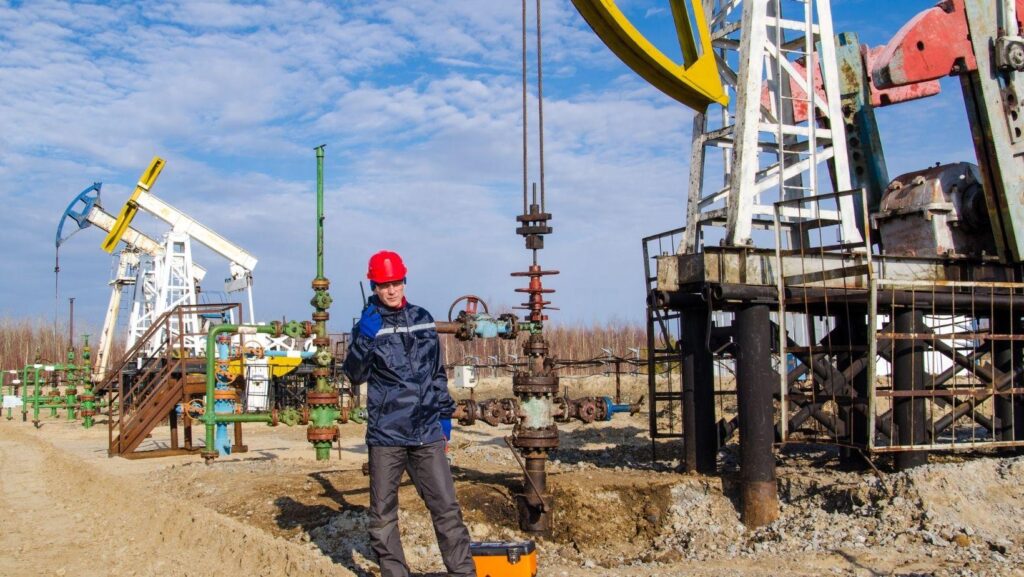
Oilfield work plays a vital role in meeting the world’s energy demands, but it also takes place in environments where hazards are part of the daily routine. Employees often work around powerful machinery, high-pressure equipment, flammable materials, and changing weather conditions that require constant attention. Even experienced workers face risks that demand careful preparation every day.

The combination of physically demanding labor and complex industrial operations creates challenges that aren’t found in many other occupations. Safety procedures have improved significantly over the years, yet the nature of the work means unexpected situations can still develop despite careful planning and training.

Looking at the conditions oilfield employees encounter each day helps answer the question of how dangerous is oil field work. Understanding these risks also highlights why workplace safety remains such an essential part of the industry.

Heavy Equipment Requires Constant Attention

Oilfields rely on large machinery to drill, lift, transport, and process equipment throughout daily operations. Cranes, drilling rigs, forklifts, pumps, and other heavy machines perform essential tasks, but they also create serious hazards when operated improperly or maintained incorrectly.

Workers often perform their jobs near moving equipment while coordinating with multiple crews in busy work areas. Clear communication and proper procedures are critical because a single mistake can quickly place several people at risk.

Comprehensive training helps employees understand how to operate equipment safely, recognize hazards, and respond appropriately to changing conditions. Ongoing education remains one of the most effective ways to reduce workplace accidents involving heavy machinery.

Fire and Pressure Create Serious Hazards

Oilfield operations frequently involve flammable materials, combustible gases, and equipment operating under extremely high pressure. These conditions require strict safety measures because even small equipment failures or ignition sources can lead to dangerous situations.

Pressure control systems, monitoring equipment, and emergency shutdown procedures help reduce many of these risks. Regular inspections and maintenance are also important because they identify potential problems before they become larger safety concerns.

Although safety systems continue improving across the industry, working around hazardous materials requires constant awareness. Every employee plays an important role in maintaining a safe work environment.

The Environment Adds Another Layer of Risk

Many oilfields are located in remote areas where workers face demanding environmental conditions in addition to industrial hazards. Extreme heat, cold temperatures, strong winds, heavy rain, and uneven terrain can all make routine tasks more challenging.

The physical demands of lifting equipment, climbing structures, and working long shifts may also contribute to fatigue. When workers become tired, reaction times and decision-making can suffer, increasing the potential for accidents if proper precautions are not maintained.

Changing weather and demanding physical labor require employees to remain adaptable throughout every shift. Recognizing these environmental challenges helps support safer work practices.

Strong Safety Practices Save Lives

Safety programs are built into nearly every aspect of modern oilfield operations. Routine inspections, equipment maintenance, hazard assessments, and detailed operating procedures help identify risks before work begins each day.

Personal protective equipment such as hard hats, safety glasses, gloves, flame-resistant clothing, and fall protection systems provide another important layer of defense. Workers also receive ongoing training so they remain familiar with current safety requirements and emergency procedures.

While no workplace can eliminate every hazard, consistent safety practices significantly reduce the likelihood of serious incidents. Prevention depends on preparation, communication, and a commitment to following established procedures.

Conclusion

Oilfield work continues to rank among the most demanding occupations because employees regularly work around heavy equipment, hazardous materials, and challenging environmental conditions. These factors create risks that require constant attention throughout every stage of the job.

Advances in technology, improved training, and stronger safety standards have helped make the industry safer, but they have not removed the inherent dangers associated with oilfield operations. Careful planning and consistent safety practices remain essential every day.

Understanding the realities of oilfield work highlights why safety is never treated as an afterthought. Ongoing training, proper equipment, and a strong commitment to prevention help protect the people who perform this critical work.

About The Author

Fyrconthius Lazenquill

See author's posts

Post navigation

Previous Telehealth for Mental Health: How Secure Video Platforms Support Remote Care

Trending

Why Oilfield Work Remains One of the Most Dangerous Jobs 1

Why Oilfield Work Remains One of the Most Dangerous Jobs

July 27, 2026
Telehealth for Mental Health: How Secure Video Platforms Support Remote Care 2

Telehealth for Mental Health: How Secure Video Platforms Support Remote Care

July 25, 2026
How to Find an Online Slot Gaming Experience That Matches Your Preferences 3

How to Find an Online Slot Gaming Experience That Matches Your Preferences

July 16, 2026
How a Passport Photo Maker Turns a Smartphone Picture Into an ID Photo 4

How a Passport Photo Maker Turns a Smartphone Picture Into an ID Photo

July 16, 2026
Can AI Really Turn a Smartphone Photo Into a Passport Photo? 5

Can AI Really Turn a Smartphone Photo Into a Passport Photo?

July 16, 2026
How Live Casino Technology Is Changing Digital Gaming 6

How Live Casino Technology Is Changing Digital Gaming

July 10, 2026

Related Stories

How to Find an Online Slot Gaming Experience That Matches Your Preferences
4 min read

How to Find an Online Slot Gaming Experience That Matches Your Preferences

July 16, 2026 53
How a Passport Photo Maker Turns a Smartphone Picture Into an ID Photo
6 min read

How a Passport Photo Maker Turns a Smartphone Picture Into an ID Photo

July 16, 2026 54
Can AI Really Turn a Smartphone Photo Into a Passport Photo?
5 min read

Can AI Really Turn a Smartphone Photo Into a Passport Photo?

July 16, 2026 53
Why Frequent Travelers Are Switching to eSIM in 2026
9 min read

Why Frequent Travelers Are Switching to eSIM in 2026

July 9, 2026 95
How Blue Blocker Sunglasses Became A Staple For Screen-Heavy Lifestyles
4 min read

How Blue Blocker Sunglasses Became A Staple For Screen-Heavy Lifestyles

July 8, 2026 89
How Withdrawals Work at US Online Casinos in 2026
4 min read

How Withdrawals Work at US Online Casinos in 2026

July 7, 2026 105
electronmagazine.com
Our location: 798 Chimera Way, Mythic Plains, Pantaia, 53197
  • Home
  • Privacy Policy
  • Terms and Conditions
  • About Us
  • Talk to the Team
Copyright © 2026 electronmagazine.com - All rights reserved.
We use cookies on our website to give you the most relevant experience by remembering your preferences and repeat visits. By clicking “Accept”, you consent to the use of ALL the cookies.
Do not sell my personal information.
Cookie SettingsAccept
Manage consent

Privacy Overview

This website uses cookies to improve your experience while you navigate through the website. Out of these, the cookies that are categorized as necessary are stored on your browser as they are essential for the working of basic functionalities of the website. We also use third-party cookies that help us analyze and understand how you use this website. These cookies will be stored in your browser only with your consent. You also have the option to opt-out of these cookies. But opting out of some of these cookies may affect your browsing experience.
Necessary
Always Enabled
Necessary cookies are absolutely essential for the website to function properly. These cookies ensure basic functionalities and security features of the website, anonymously.
CookieDurationDescription
cookielawinfo-checkbox-analytics11 monthsThis cookie is set by GDPR Cookie Consent plugin. The cookie is used to store the user consent for the cookies in the category "Analytics".
cookielawinfo-checkbox-functional11 monthsThe cookie is set by GDPR cookie consent to record the user consent for the cookies in the category "Functional".
cookielawinfo-checkbox-necessary11 monthsThis cookie is set by GDPR Cookie Consent plugin. The cookies is used to store the user consent for the cookies in the category "Necessary".
cookielawinfo-checkbox-others11 monthsThis cookie is set by GDPR Cookie Consent plugin. The cookie is used to store the user consent for the cookies in the category "Other.
cookielawinfo-checkbox-performance11 monthsThis cookie is set by GDPR Cookie Consent plugin. The cookie is used to store the user consent for the cookies in the category "Performance".
viewed_cookie_policy11 monthsThe cookie is set by the GDPR Cookie Consent plugin and is used to store whether or not user has consented to the use of cookies. It does not store any personal data.
Functional
Functional cookies help to perform certain functionalities like sharing the content of the website on social media platforms, collect feedbacks, and other third-party features.
Performance
Performance cookies are used to understand and analyze the key performance indexes of the website which helps in delivering a better user experience for the visitors.
Analytics
Analytical cookies are used to understand how visitors interact with the website. These cookies help provide information on metrics the number of visitors, bounce rate, traffic source, etc.
Advertisement
Advertisement cookies are used to provide visitors with relevant ads and marketing campaigns. These cookies track visitors across websites and collect information to provide customized ads.
Others
Other uncategorized cookies are those that are being analyzed and have not been classified into a category as yet.
SAVE & ACCEPT